


As a helping professional, you’ve likely heard about PTSD from single traumatic events—but what happens when your nervous system has been repeatedly exposed to trauma through your caregiving work? Complex PTSD in helping professionals presents differently than traditional PTSD and requires specialized understanding. Unlike the acute stress response from a single incident, complex PTSD develops from prolonged, repeated exposure to traumatic situations—something healthcare workers, therapists, social workers, and other caregivers face regularly.
The distinction matters because traditional PTSD treatments may fall short when addressing the deep-seated neurological changes that occur from chronic trauma exposure. If you’re a helping professional experiencing persistent emotional numbness, difficulty trusting others, or feeling disconnected from yourself despite trying conventional therapy, you might be dealing with complex PTSD.
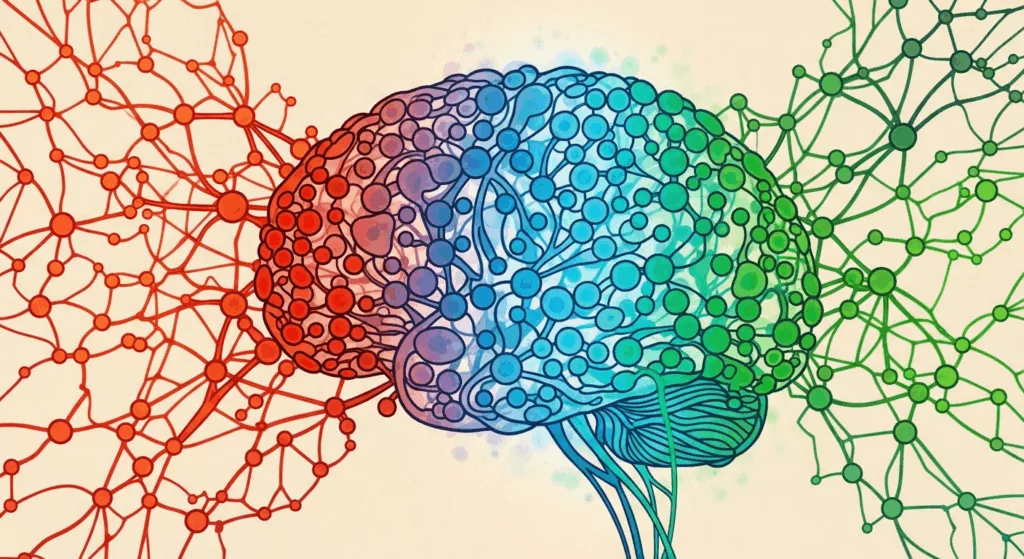
Understanding Complex PTSD vs. Traditional PTSD in Caregivers
Traditional PTSD typically stems from a single traumatic event—a car accident, natural disaster, or assault. The symptoms are often linked to specific triggers related to that incident. Complex PTSD symptoms, however, develop from repeated trauma exposure over months or years, fundamentally altering how your nervous system processes stress and relationships.
For helping professionals, this chronic exposure often includes:
- Witnessing patient deaths or suffering repeatedly
- Making life-or-death decisions under extreme pressure
- Absorbing emotional trauma from clients or patients
- Working in chronically understaffed, high-stress environments
- Experiencing secondary trauma from hearing traumatic stories
The VA’s guide to complex PTSD explains that complex PTSD includes all traditional PTSD symptoms plus three additional symptom clusters: difficulties with emotional regulation, negative self-concept, and interpersonal problems.
Key Differences in Symptom Presentation
While traditional PTSD might cause flashbacks to a specific event, complex PTSD creates more generalized symptoms. You might experience emotional numbness rather than specific triggers, or feel fundamentally changed as a person rather than haunted by particular memories.
Complex PTSD also affects your core sense of self and relationships in ways that single-incident trauma typically doesn’t. Many helping professionals describe feeling like they’ve lost their identity outside of their caregiving role, or struggling to maintain healthy boundaries in personal relationships.
Why Helping Professionals Are at Higher Risk for Complex PTSD
Healthcare workers and other helping professionals face unique risk factors that make complex PTSD in helping professionals surprisingly common. The very qualities that make someone excellent at caregiving—empathy, dedication, and emotional sensitivity—can also increase vulnerability to complex trauma.
Chronic Exposure to Human Suffering
Unlike most people who might witness trauma occasionally, helping professionals encounter it regularly. Emergency room physicians see car accident victims weekly. Therapists hear detailed accounts of abuse and violence. Social workers enter homes where children are neglected or endangered.
This repeated exposure creates what researchers call secondary trauma. Your nervous system begins responding as if you’ve directly experienced these traumas, even though you were “just” helping others through them.
Emotional Labor and Suppression
Helping professionals must often suppress their emotional responses to function effectively. You can’t break down crying while performing CPR or become visibly upset when a client shares traumatic details. This necessary emotional suppression, when chronic, can lead to emotional numbing and disconnection.
The APA research on healthcare worker stress and trauma shows that this emotional labor significantly increases risk for complex trauma symptoms.
Professional Identity Fusion
Many helping professionals develop what psychologists call “professional identity fusion”—where your identity becomes so intertwined with your caregiving role that you lose touch with who you are outside of work. This fusion makes it difficult to process your own trauma because acknowledging your pain might feel like failing at your professional duty.
Recognizing Complex PTSD Symptoms in Healthcare Workers
Complex PTSD symptoms often develop gradually, making them easy to dismiss as job stress or burnout. However, recognizing these symptoms early is crucial for getting appropriate treatment.
Emotional Regulation Difficulties
You might find yourself either emotionally numb or experiencing intense emotional swings. Many helping professionals describe feeling like their emotions are either completely shut off or overwhelming and unpredictable. This isn’t simply stress—it’s your nervous system’s adaptation to chronic trauma exposure.
Common emotional regulation symptoms include:
- Feeling emotionally numb or disconnected
- Sudden, intense anger or irritability
- Difficulty experiencing joy or positive emotions
- Feeling emotionally “flooded” by minor stressors
- Using substances, food, or work to numb emotions
Negative Self-Concept and Identity Issues
Complex PTSD often creates persistent negative beliefs about yourself. You might feel fundamentally flawed, worthless, or different from others. These beliefs feel true and permanent, not just temporary thoughts during difficult moments.
Healthcare worker-specific self-concept issues often include:
- Feeling like you’re never doing enough for patients/clients
- Believing you don’t deserve care or rest
- Identity confusion outside of your professional role
- Persistent guilt about patient outcomes beyond your control
- Imposter syndrome despite clear competence
Interpersonal and Relationship Difficulties
Complex PTSD significantly impacts relationships. You might struggle to trust others, maintain appropriate boundaries, or feel genuinely connected to people in your personal life.
Many helping professionals experience:
- Difficulty trusting others or being vulnerable
- Problems with intimate relationships
- Feeling disconnected from family and friends
- Either avoiding relationships or becoming overly clingy
- Difficulty saying no or setting boundaries
If you’re experiencing these interpersonal challenges, our article on Caregiver Dissociation: When Helping Others Disconnects You provides additional insights into how caregiving can create disconnection.
Evidence-Based Treatment Approaches: EMDR and Brainspotting
Traditional talk therapy, while valuable, often falls short in treating complex PTSD because it primarily engages the cognitive brain rather than addressing the neurological changes trauma creates. CPTSD treatment requires approaches that work with both the brain and body.
EMDR for Complex PTSD
EMDR for complex PTSD (Eye Movement Desensitization and Reprocessing) has shown remarkable effectiveness in helping the brain reprocess traumatic memories and experiences. Unlike traditional PTSD, complex PTSD often doesn’t have clear, specific memories to target—instead, there’s a general sense of overwhelm and emotional dysregulation.
For helping professionals, EMDR can address:
- Specific traumatic patient encounters
- General emotional overwhelm from chronic exposure
- Negative beliefs about professional competence
- Difficulty separating personal identity from professional role
Research on EMDR effectiveness for complex trauma demonstrates significant improvement in emotional regulation, self-concept, and interpersonal functioning.
Brainspotting: Accessing Deep Trauma
Brainspotting is particularly effective for complex PTSD because it accesses trauma stored in the subcortical brain—the area most affected by chronic trauma exposure. This approach helps process trauma that might not have clear narrative memories but exists as body sensations, emotions, or general overwhelm.
For healthcare workers, Brainspotting can be especially helpful because it doesn’t require detailed discussion of traumatic events. You might not remember specific incidents, but your nervous system holds the cumulative impact of repeated exposures.
Trauma-Informed DBT Skills
Dialectical Behavior Therapy (DBT) skills are crucial for managing complex PTSD symptoms, particularly emotional regulation difficulties. Our DBT Skills Groups for Florida Healthcare Workers specifically address the unique challenges helping professionals face.
Key DBT skills for complex PTSD include:
- Distress tolerance for managing emotional overwhelm
- Emotional regulation techniques
- Interpersonal effectiveness for boundary setting
- Mindfulness for staying present during triggering situations
The Role of Dissociation in Helper Trauma
Many helping professionals with complex PTSD experience dissociation—a disconnection from thoughts, feelings, memories, or sense of identity. This often develops as a protective mechanism during overwhelming work situations but can become problematic when it persists.
Dissociation in helping professionals might manifest as:
- Feeling like you’re “going through the motions” at work
- Emotional numbness or feeling like you’re watching your life from outside
- Memory gaps during stressful work situations
- Feeling unreal or like things around you aren’t real
- Difficulty accessing emotions or feeling “empty”
Our comprehensive guide on Dissociative Disorders in Caregivers: Warning Signs & Treatment explores this phenomenon in greater detail.
Treating Dissociation in Complex PTSD
Treating dissociation requires specialized approaches that help you reconnect with your body and emotions safely. Techniques like somatic therapy, grounding exercises, and gradual emotion exposure can help rebuild the connection between mind and body that trauma has disrupted.
Building Resilience While Maintaining Professional Effectiveness
Recovery from complex PTSD doesn’t mean you can’t continue in your helping profession, but it does require learning new ways to protect and care for yourself while caring for others.
Developing Emotional Boundaries
Unlike physical boundaries, emotional boundaries are invisible but equally important. They allow you to empathize with patients or clients without absorbing their trauma as your own.
Practical emotional boundary strategies include:
- Visualization techniques for “leaving work at work”
- Regular check-ins with your emotional state throughout the day
- Designated transition rituals between work and personal time
- Learning to differentiate between empathy and emotional absorption
Trauma-Informed Self-Care
Traditional self-care advice often falls short for helping professionals with complex PTSD. You need trauma-informed approaches that recognize how trauma affects your nervous system and relationship with self-care.
Our article on Trauma-Informed Self-Advocacy for Florida Empaths provides specific strategies for advocating for your own needs while in helping roles.
Nervous System Regulation
Complex PTSD keeps your nervous system in a chronic state of activation or shutdown. Learning to regulate your nervous system is crucial for both recovery and professional sustainability.
Effective regulation techniques include:
- Breathwork and grounding exercises
- Progressive muscle relaxation
- Mindfulness and body awareness practices
- Regular movement and exercise
- Adequate sleep and nutrition support
Innovative Treatment Approaches
As understanding of complex PTSD evolves, new treatment modalities are emerging that show particular promise for helping professionals.
Virtual Reality Therapy
Virtual reality therapy is showing promising results for trauma treatment, particularly for helping professionals who may have difficulty accessing traditional therapy due to scheduling constraints or stigma concerns.
Our exploration of Virtual Reality Therapy for Trauma in Florida discusses how this cutting-edge approach might benefit healthcare workers and other helping professionals.
Somatic Approaches
Because complex PTSD affects the body as much as the mind, somatic therapies that work directly with the nervous system and body sensations are particularly effective. These approaches help you reconnect with your body’s wisdom and natural healing capacity.
Finding Specialized Care: What to Look for in a Complex PTSD Therapist
Not all therapists are equipped to treat complex PTSD effectively. Finding the right provider is crucial for your recovery success.
Essential Qualifications
Look for therapists with specific training in complex trauma, not just general PTSD treatment. Key qualifications include:
- Certification in trauma treatment (such as Certified Clinical Trauma Professional)
- Training in EMDR, Brainspotting, or other trauma-focused therapies
- Experience working with helping professionals
- Understanding of secondary trauma and vicarious trauma
- Training in dissociative disorders if relevant
The International Society for Traumatic Stress Studies provides resources for finding qualified trauma specialists.
Red Flags to Avoid
Avoid therapists who:
- Minimize your symptoms or suggest you “just need better self-care”
- Don’t understand the difference between PTSD and complex PTSD
- Use only traditional talk therapy approaches
- Don’t have specific training in trauma treatment
- Seem uncomfortable discussing the realities of your profession
The Importance of Therapist Fit
Even qualified therapists may not be the right fit for you. Trust your instincts about whether you feel understood and safe. A good therapist for complex PTSD will:
- Understand the unique challenges of helping professionals
- Validate the reality of secondary trauma
- Use evidence-based approaches beyond traditional talk therapy
- Help you maintain professional identity while healing
- Support you in developing sustainable ways to continue your caregiving work
Treatment Considerations for Different Helping Professions
While complex PTSD shares common features across helping professions, different roles present unique challenges and treatment considerations.
Healthcare Workers
Healthcare workers often face moral injury—the psychological damage from being unable to provide the care they know patients need due to systemic constraints. This adds another layer to complex PTSD that requires specific attention in treatment.
SAMHSA crisis counseling guidelines provide frameworks for understanding and treating healthcare-specific trauma.
Mental Health Professionals
Secondary trauma in therapists is particularly complex because mental health professionals are trained to manage others’ emotions but may struggle with their own trauma responses. Treatment often needs to address professional shame about needing help.
First Responders and Emergency Personnel
First responders face unique challenges including hypervigilance, sleep disruption, and difficulty transitioning between high-stress work environments and home life. Treatment approaches need to account for shift work and unpredictable schedules.
Recovery Timeline and Expectations
Complex PTSD recovery is not linear, and helping professionals often have additional considerations that affect their healing timeline.
Realistic Recovery Expectations
Unlike single-incident PTSD, complex PTSD recovery typically takes longer because it involves rewiring deeply ingrained nervous system patterns. However, with appropriate treatment, significant improvement is possible.
Most people begin noticing changes within:
- 2-4 weeks: Improved sleep and reduced anxiety
- 2-3 months: Better emotional regulation and decreased overwhelm
- 6-12 months: Improved relationships and sense of self
- 1-2 years: Integration of new patterns and sustained recovery
Continuing Your Helping Role During Recovery
Many helping professionals worry that addressing their trauma means they can’t continue their caregiving work. In reality, treating your complex PTSD often makes you more effective, not less, because you’re operating from a healthier, more regulated nervous system.
Building Support Systems
Recovery from complex PTSD requires more than individual therapy—you need supportive relationships and community connections.
Professional Support Networks
Connecting with other helping professionals who understand your experiences can be invaluable. Many healthcare systems now offer peer support programs specifically for staff dealing with secondary trauma.
Personal Relationships
Complex PTSD often damages personal relationships, but healing these connections is crucial for recovery. This might involve couples therapy, family therapy, or simply learning to be vulnerable with trusted friends.
Prevention and Early Intervention
While this article focuses on recognizing and treating existing complex PTSD, prevention efforts are equally important for helping professionals.
Organizational Changes
Healthcare systems and helping organizations are beginning to recognize their role in preventing complex trauma through:
- Adequate staffing to reduce chronic overwork
- Regular debriefing after traumatic cases
- Employee assistance programs with trauma-informed care
- Training in recognizing secondary trauma symptoms
Personal Prevention Strategies
Individual strategies for preventing complex PTSD include:
- Regular therapy or consultation even when not in crisis
- Developing strong support systems outside of work
- Maintaining interests and identity outside of your helping role
- Learning early warning signs of trauma accumulation
Key Takeaways for Helping Professionals
If you’re a helping professional struggling with what might be complex PTSD, remember these important points:
- Your symptoms are real and valid—secondary trauma and complex PTSD are recognized clinical conditions, not personal weakness
- Specialized treatment is available—approaches like EMDR, Brainspotting, and trauma-informed DBT can be highly effective
- Recovery doesn’t mean leaving your profession—many helping professionals return to their work with greater resilience and effectiveness
- You deserve the same compassion you give others—seeking help is not failure but wisdom
- Healing is possible—with appropriate treatment and support, you can recover from complex PTSD
Complex PTSD in helping professionals is a serious but treatable condition. The same dedication and strength that drives you to help others can fuel your own healing journey. You’ve spent your career caring for others—now it’s time to extend that same compassion to yourself.
If you recognize yourself in these symptoms and are ready to begin healing, consider reaching out to a trauma specialist who understands the unique challenges facing helping professionals. Recovery is not only possible but probable with the right support and treatment approach.
What resonates most with your experience as a helping professional? Have you noticed signs of complex PTSD in yourself or colleagues?


