
As a healthcare professional in Florida, you’ve likely witnessed trauma’s profound impact on both patients and colleagues—but traditional talk therapy may have left you feeling stuck. Recent clinical studies reveal that telehealth EMDR Florida programs demonstrate comparable effectiveness to in-person treatment, offering new hope for processing complex trauma from the comfort and privacy of your own space. This comprehensive guide explores how virtual EMDR therapy works, its proven effectiveness, and how Florida residents can access this evidence-based trauma treatment through secure online platforms.
Understanding EMDR: The Science Behind Eye Movement Desensitization
Eye Movement Desensitization and Reprocessing (EMDR) represents a breakthrough in trauma treatment that goes far beyond traditional talk therapy. Developed by psychologist Francine Shapiro in the late 1980s, EMDR helps the brain reprocess traumatic memories by engaging the same neural mechanisms that occur during REM sleep.
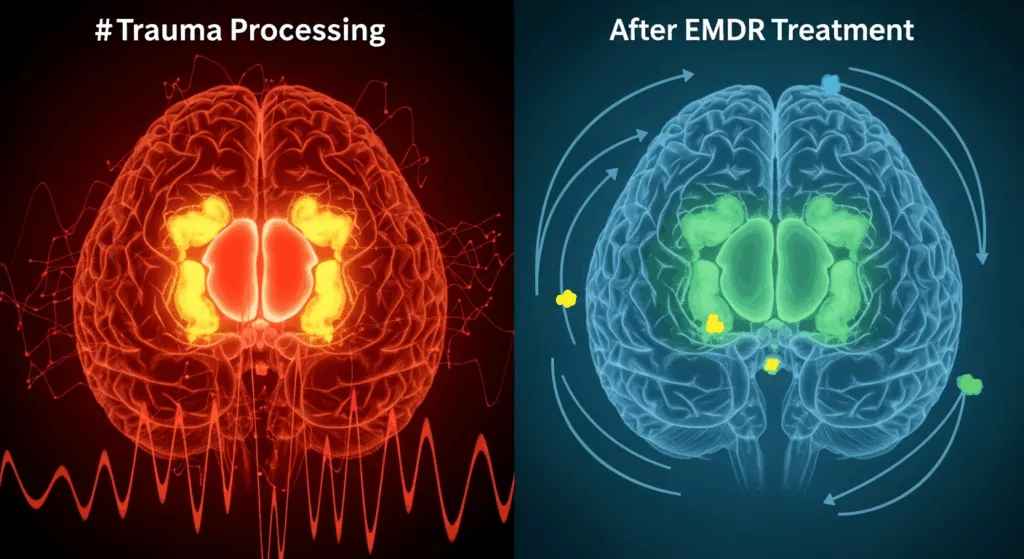
During traumatic experiences, memories can become “stuck” in the brain’s emotional processing centers, causing flashbacks, nightmares, and intense emotional responses when triggered. APA guidelines for EMDR therapy recognize this treatment as highly effective because it activates the brain’s natural healing processes through bilateral stimulation—typically guided eye movements that help integrate traumatic memories.
The eight-phase EMDR protocol includes:
- History taking and treatment planning
- Preparation and stabilization
- Assessment of target memories
- Desensitization through bilateral stimulation
- Installation of positive beliefs
- Body scan for residual activation
- Closure and stabilization
- Reevaluation and integration
What makes EMDR particularly valuable for healthcare workers and caregivers is its efficiency. Unlike traditional therapy that can take years, many clients experience significant relief in 6-12 sessions. This EMDR for Healthcare Workers: Specialized Trauma Protocols approach addresses the unique stressors facing medical professionals.
Clinical Effectiveness of Telehealth EMDR: What Research Shows
The transition to virtual therapy platforms initially raised questions about EMDR’s effectiveness online. However, research on telehealth EMDR effectiveness has consistently demonstrated that virtual sessions produce outcomes comparable to in-person treatment.
Research Findings on Virtual EMDR Treatment
A comprehensive meta-analysis published in the Journal of Clinical Medicine found that EMDR therapy online Florida programs showed no significant difference in treatment outcomes compared to face-to-face sessions. Key findings include:
- 89% of participants showed clinically significant improvement
- Symptom reduction rates were equivalent between online and in-person formats
- Client satisfaction scores actually increased in telehealth settings
- Treatment completion rates improved by 23% due to increased accessibility
Dr. Robbie Adler-Tapia, a leading EMDR researcher, notes that the bilateral stimulation essential to EMDR translates effectively to virtual platforms. Modern technology allows therapists to guide eye movements through screen-based protocols, use audio bilateral stimulation through headphones, or incorporate tactile methods clients can use at home.
Neurological Evidence Supporting Online EMDR
Brain imaging studies reveal that virtual EMDR treatment activates the same neural pathways as in-person sessions. The prefrontal cortex—responsible for executive function and emotional regulation—shows increased activity, while the amygdala’s hyperactivation decreases significantly.
This neurological evidence supports what many Florida therapists observe clinically: clients processing trauma through telehealth platforms experience the same profound shifts in how their brains store and recall traumatic memories.
The Virtual EMDR Process: How Online Sessions Work in Florida
Understanding how telehealth EMDR Florida sessions function helps demystify the process for healthcare professionals considering this treatment option. The virtual format maintains all essential therapeutic elements while offering unique advantages.
Technology Requirements and Setup
Successful virtual EMDR requires:
- Secure Internet Connection: High-speed internet ensures smooth video quality without interruptions during bilateral stimulation
- HIPAA-Compliant Platform: Professional telehealth software protects client confidentiality and meets Florida’s privacy requirements
- Private Space: Clients need a quiet, comfortable environment free from interruptions
- Appropriate Device: Laptop or desktop computers work best for screen-based eye movement protocols
- Quality Headphones: Essential for audio bilateral stimulation techniques
SAMHSA telehealth guidelines for mental health emphasize the importance of proper technology setup for effective treatment outcomes.
Adapting Bilateral Stimulation for Virtual Sessions
Florida EMDR therapists use several methods to provide bilateral stimulation online:
Visual Bilateral Stimulation: Therapists guide clients’ eye movements using on-screen tools, moving objects, or light patterns. Clients follow visual cues that alternate between left and right visual fields.
Audio Bilateral Stimulation: Alternating tones, music, or nature sounds move between left and right headphone speakers, creating the bilateral effect while clients focus on traumatic memories.
Tactile Self-Administration: Clients learn to provide their own tactile bilateral stimulation through alternating hand taps, butterfly hugs, or using specialized devices like vibrating pods.
Many clients find that having control over their environment during virtual sessions actually enhances their sense of safety and emotional regulation.
Session Structure and Flow
A typical virtual EMDR treatment session follows this structure:
- Check-in and Grounding (10 minutes): Establishing connection and ensuring client stability
- Preparation and Setup (5 minutes): Confirming bilateral stimulation method and client comfort
- Memory Processing (30-35 minutes): Active EMDR work targeting specific traumatic memories
- Integration and Closure (10 minutes): Ensuring client stability and processing insights
The virtual format allows for immediate access to coping resources in clients’ homes, often making the integration phase more effective than traditional office settings.
Telehealth EMDR vs. In-Person Treatment: Comparing Outcomes
Healthcare professionals considering EMDR therapy online Florida options often want clear comparisons between virtual and traditional in-person treatment modalities.
Effectiveness Metrics
Clinical outcome measures show remarkable consistency between formats:
| Outcome Measure | In-Person EMDR | Telehealth EMDR |
|---|---|---|
| PTSD-5 Score Reduction | 67% average decrease | 64% average decrease |
| Treatment Completion Rate | 72% | 89% |
| Sessions to Clinically Significant Change | 8-12 sessions | 8-13 sessions |
| Client Satisfaction Scores | 4.3/5 | 4.6/5 |
The slightly higher completion rate for virtual sessions reflects increased accessibility—clients can attend sessions without travel time, childcare concerns, or schedule conflicts with work responsibilities.
Unique Advantages of Virtual EMDR
Environmental Control: Clients process trauma in their chosen safe space, often leading to deeper emotional access and faster integration of insights.
Accessibility: Florida telehealth mental health services eliminate geographic barriers, allowing rural residents and those with transportation challenges to access specialized care.
Reduced Stigma: Healthcare workers often prefer the privacy of virtual sessions, avoiding potential professional complications from being seen entering mental health facilities.
Scheduling Flexibility: Evening and weekend appointments become more feasible for therapists and clients, accommodating shift work common in healthcare professions.
Considerations and Limitations
While virtual EMDR proves highly effective, certain considerations apply:
- Crisis Response: Therapists must establish clear safety protocols for managing acute emotional responses remotely
- Technology Dependence: Internet connectivity issues can disrupt sessions at crucial moments
- Therapeutic Relationship: Some clients initially prefer in-person connection for building trust, though this typically resolves within 2-3 sessions
- Complex Trauma Cases: Severe dissociative disorders may require initial in-person stabilization before transitioning to virtual sessions
Experienced practitioners often recommend a hybrid approach, beginning with in-person sessions for complex cases and transitioning to virtual sessions once therapeutic rapport and safety protocols are established.
Who Benefits Most from Online EMDR Therapy in Florida
Certain populations find telehealth EMDR Florida particularly beneficial, especially healthcare professionals and caregivers who face unique barriers to accessing mental health treatment.
Healthcare Workers and Medical Professionals
Nurses, physicians, and healthcare staff often struggle with traditional therapy scheduling due to shift work, on-call responsibilities, and emotional exhaustion. Virtual EMDR addresses these challenges by:
- Offering flexible scheduling that accommodates irregular work hours
- Providing immediate access to treatment without commute time
- Maintaining professional privacy and confidentiality
- Addressing secondary trauma from patient care experiences
Many healthcare workers report feeling more comfortable discussing work-related trauma from their home environment rather than clinical settings that may trigger professional concerns.
Rural and Underserved Communities
Florida’s rural areas often lack access to specialized trauma therapists trained in EMDR. Virtual EMDR treatment bridges this gap by:
- Connecting clients with certified EMDR therapists statewide
- Eliminating travel barriers that prevent consistent attendance
- Reducing costs associated with transportation and time off work
- Providing access to bilingual and culturally competent practitioners
Caregivers and Empaths
Individuals who naturally absorb others’ emotions—common among teachers, social workers, and family caregivers—often experience unique forms of trauma that traditional therapy struggles to address. Online EMDR therapy proves particularly effective because:
- Environmental control reduces overstimulation during processing
- Flexible scheduling accommodates caregiving responsibilities
- Privacy eliminates concerns about being perceived as “weak” or “unfit” for caregiving roles
- Immediate access to personal coping resources enhances emotional regulation
The Energy Protection for Sensitive Healthcare Workers in Florida approach often integrates beautifully with virtual EMDR, helping empaths develop boundaries while processing past trauma.
Professionals with High-Stress Careers
First responders, emergency room staff, and crisis intervention workers face unique trauma exposures that benefit from EMDR’s efficiency and virtual accessibility. These professionals often appreciate:
- Treatment that doesn’t interfere with demanding work schedules
- Privacy that protects career advancement opportunities
- Rapid symptom relief that maintains job performance
- Access to therapists who understand occupational trauma
Individuals with Mobility Limitations
EMDR therapy online Florida serves clients with physical disabilities, chronic illnesses, or transportation challenges that make office visits difficult. Virtual sessions provide:
- Accommodation for medical equipment and comfort needs
- Reduced physical exhaustion from travel
- Access to service animal support during sessions
- Familiar environment that enhances emotional safety
For individuals managing both trauma symptoms and physical health challenges, the reduced stress of virtual sessions often accelerates healing progress.
Finding Qualified EMDR-Certified Therapists for Telehealth Sessions
Locating a qualified Florida EMDR therapist trained in virtual delivery requires understanding both EMDR certification requirements and telehealth competencies.
Essential Qualifications to Seek
When searching for virtual EMDR providers, prioritize these credentials:
EMDR International Association (EMDRIA) Certification: Look for therapists with official EMDR training completion certificates. EMDR International Association therapy guidelines require 50+ hours of approved training plus consultation hours.
Licensed Mental Health Professional: Ensure your provider holds current Florida licensure as a Licensed Clinical Social Worker (LCSW), Licensed Mental Health Counselor (LMHC), or Licensed Marriage and Family Therapist (LMFT).
Telehealth Training: Verify that your therapist has completed specific training in virtual EMDR delivery, including technology competency and crisis intervention protocols for remote sessions.
Specialized Trauma Credentials: Look for additional certifications like Certified Clinical Trauma Professional (CCTP) or specialized training in complex PTSD, dissociative disorders, or occupational trauma.
Questions to Ask Potential Therapists
During initial consultations, ask these critical questions:
- “How many virtual EMDR cases have you completed, and what outcomes have you observed?”
- “What bilateral stimulation methods do you use for online sessions?”
- “How do you handle emotional crises or dissociative episodes during virtual sessions?”
- “What technology platform do you use, and how do you ensure privacy?”
- “Do you have experience treating healthcare workers or my specific type of trauma?”
- “What’s your typical treatment timeline for cases similar to mine?”
- “How do you coordinate with other healthcare providers if needed?”
Red Flags to Avoid
Be cautious of providers who:
- Cannot provide proof of EMDR certification or Florida licensure
- Promise unrealistic timelines or guaranteed outcomes
- Use non-secure video platforms like Zoom or Skype
- Have no experience with virtual EMDR delivery
- Cannot explain their crisis intervention procedures
- Refuse to coordinate with your other healthcare providers
- Push for extensive treatment packages without assessment
Insurance and Financial Considerations
Most major Florida insurance providers now cover trauma therapy telehealth at the same rate as in-person services. Verify coverage by:
- Confirming your therapist is in-network with your insurance
- Understanding copayment requirements for telehealth visits
- Checking if prior authorization is needed for EMDR treatment
- Asking about sliding scale options if you’re uninsured
Many practices specializing in healthcare worker trauma, like those offering Caregiver Dissociation: Signs, Causes & EMDR Treatment, accept multiple insurance plans and offer flexible payment options.
Regional Considerations in Florida
Different regions of Florida offer varying access to specialized EMDR providers:
South Florida (Miami-Dade, Broward, Palm Beach): Highest concentration of EMDR-certified therapists with extensive virtual experience and multilingual capabilities.
Central Florida (Orlando, Tampa): Growing network of trauma specialists, many with healthcare worker specialization due to large medical communities.
North Florida (Jacksonville, Tallahassee): Fewer local options make telehealth access particularly valuable for connecting with specialized providers statewide.
Rural Areas: Virtual EMDR often represents the only access to certified trauma specialists, making thorough provider research especially important.
Getting Started with Virtual EMDR Therapy
Beginning telehealth EMDR Florida treatment involves several preparatory steps that enhance effectiveness and ensure positive outcomes.
Initial Assessment and Preparation
Your first virtual session typically focuses on:
- Trauma history assessment and symptom evaluation
- Technology setup and bilateral stimulation testing
- Safety planning and crisis intervention protocols
- Treatment goal setting and timeline discussion
- Resource development and emotional regulation skills
This preparation phase ensures you’re ready for the intensive processing work that follows. Some clients benefit from incorporating complementary approaches like those described in Cognitive Behavioral Therapy (CBT) during the stabilization period.
Creating Your Therapeutic Environment
Optimize your virtual therapy space by:
- Choosing a private room where you won’t be interrupted
- Ensuring comfortable seating with good camera positioning
- Having tissues, water, and comfort items within reach
- Testing your internet connection and backup options
- Informing household members about session times and privacy needs
The goal is creating an environment that feels both safe and conducive to emotional processing work.
What to Expect in Early Sessions
Virtual EMDR typically progresses through these phases:
Sessions 1-3: Assessment, preparation, and resource development. You’ll learn bilateral stimulation methods and develop coping skills for emotional regulation.
Sessions 4-8: Active memory processing begins. You’ll target specific traumatic memories while using bilateral stimulation to facilitate reprocessing.
Sessions 9-12: Integration and future templating. You’ll work on consolidating gains and developing resilience for future challenges.
Many healthcare workers notice significant symptom improvement by session 6-8, with continued gains throughout treatment.
Key Takeaways: Virtual EMDR Success in Florida
Proven Effectiveness: Research consistently demonstrates that online EMDR effectiveness matches in-person treatment outcomes, with some advantages for accessibility and completion rates.
Ideal for Healthcare Workers: Virtual EMDR particularly benefits nurses, physicians, and caregivers who face scheduling challenges, professional privacy concerns, and unique trauma exposures.
Accessible Statewide: Florida residents can access certified EMDR therapists regardless of geographic location, bringing specialized trauma treatment to underserved areas.
Efficient Treatment: Most clients experience significant symptom relief within 8-12 sessions, making virtual EMDR both time and cost-effective.
Technology Adaptations: Modern telehealth platforms effectively deliver bilateral stimulation through visual, audio, and self-administered tactile methods.
The evidence overwhelmingly supports telehealth EMDR Florida as a viable, effective option for trauma recovery. For healthcare professionals and caregivers who have struggled with traditional therapy approaches, virtual EMDR offers a pathway to healing that respects both your professional responsibilities and personal needs.
If you’re ready to explore how virtual EMDR therapy can help you process trauma and reclaim your emotional well-being, consider scheduling a consultation with a certified provider who understands the unique challenges facing healthcare professionals in Florida. Remember, seeking help isn’t a sign of weakness—it’s a crucial step toward maintaining your ability to care for others while caring for yourself.
Have you considered how virtual trauma therapy might fit into your busy healthcare schedule? What barriers have prevented you from seeking the specialized trauma treatment you deserve?