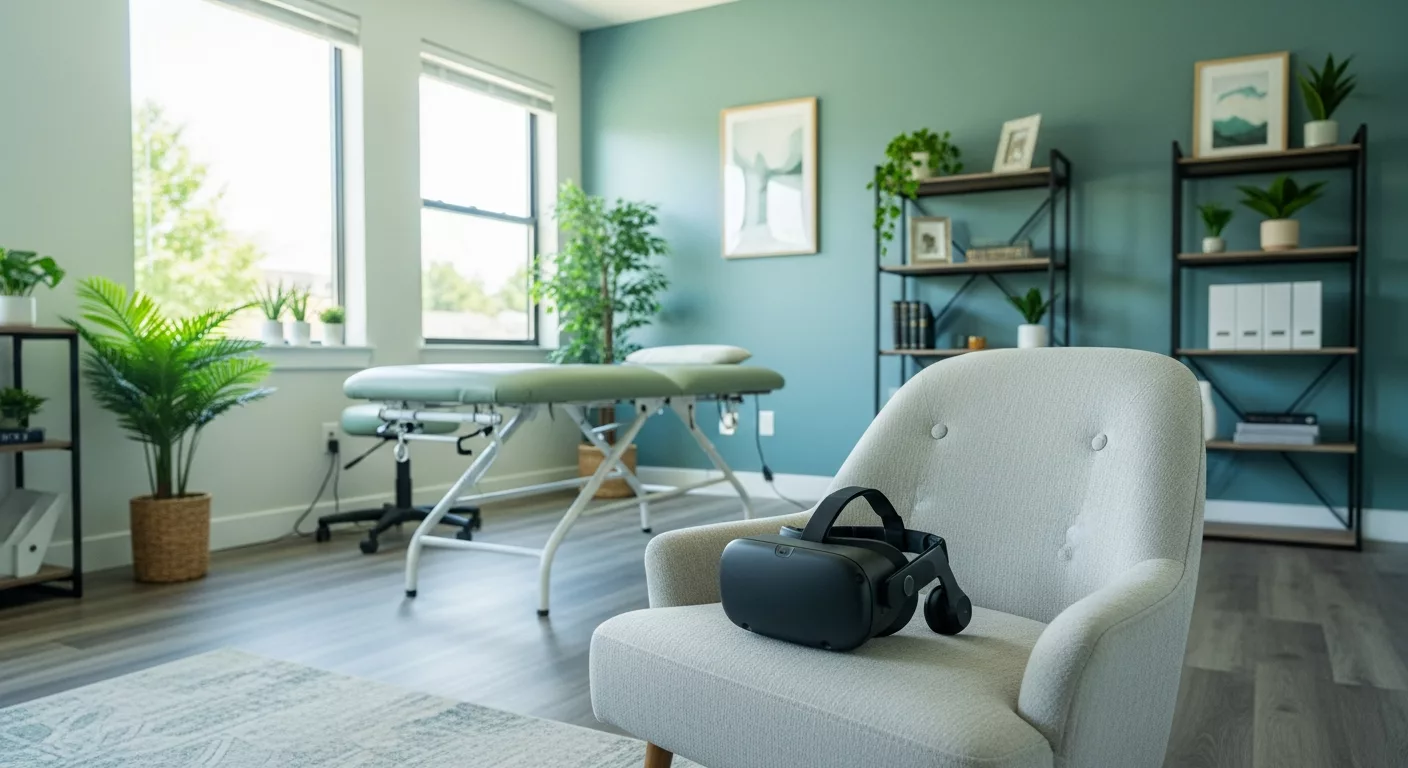
For Florida healthcare professionals and empaths who’ve found traditional therapy helpful but not transformative, virtual reality trauma therapy offers a scientifically-backed approach that creates safe, controlled environments for processing difficult experiences—without leaving your therapist’s office. VR trauma therapy Florida represents a breakthrough in mental health treatment, combining cutting-edge technology with proven therapeutic protocols to help clients overcome trauma that traditional talk therapy couldn’t reach.
Virtual reality therapy isn’t science fiction—it’s an evidence-based treatment modality that’s revolutionizing how we approach trauma recovery. By creating immersive, controlled environments, VR allows therapists to guide clients through exposure therapy and processing sessions that would be impossible or unsafe in the real world.
Understanding Virtual Reality Therapy: Science Behind Immersive Healing
Virtual reality therapy leverages neuroplasticity—the brain’s ability to rewire itself—by creating controlled sensory experiences that help process traumatic memories. Unlike traditional talk therapy that relies primarily on verbal processing, VR engages multiple sensory pathways simultaneously, making it particularly effective for trauma survivors whose memories are stored in non-verbal brain regions.
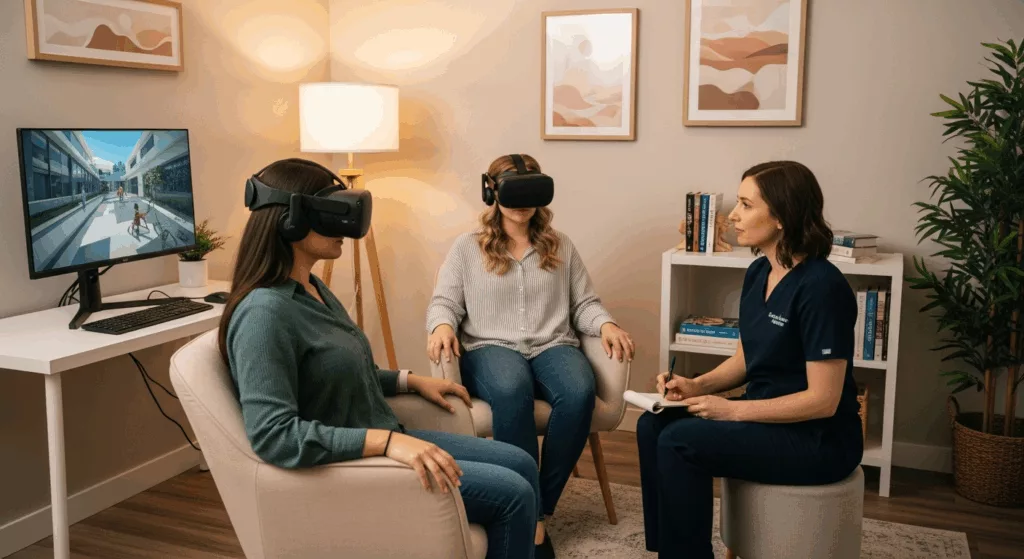
The technology works by placing clients in a head-mounted display that creates three-dimensional, interactive environments. These environments can be customized to match specific trauma scenarios or create calming spaces for processing difficult emotions. The therapist maintains complete control over the experience, adjusting intensity levels and guiding the client through evidence-based protocols.
Research published in the journal Nature demonstrates that virtual reality therapy for PTSD produces significant symptom reduction comparable to traditional exposure therapy, but often in fewer sessions. The immersive nature of VR allows for more intense therapeutic work while maintaining safety through the therapist’s ability to instantly modify or end the experience.
Virtual reality therapy addresses several limitations of conventional trauma treatment:
- Memory accessibility: Trauma memories often exist as fragmented sensory experiences rather than coherent narratives. VR can recreate sensory elements that help access and process these memories safely.
- Controlled exposure: Clients can gradually confront triggering situations in a completely safe environment, building resilience without real-world risks.
- Increased engagement: The immersive nature keeps clients present and engaged during processing, reducing dissociation that often occurs during traditional therapy.
- Customizable intensity: Therapists can precisely control exposure levels, ensuring clients remain in their window of tolerance throughout treatment.
How VR Enhances Evidence-Based Trauma Treatments Like EMDR
EMDR virtual reality represents one of the most exciting developments in trauma therapy. Traditional Eye Movement Desensitization and Reprocessing (EMDR) uses bilateral stimulation—typically eye movements—to help the brain process traumatic memories. When combined with virtual reality, EMDR becomes even more powerful.
The EMDR International Association therapy guidelines support the integration of technology when it enhances standard protocols. VR-enhanced EMDR allows therapists to create visual scenes that support memory processing while maintaining the bilateral stimulation that makes EMDR effective.
Here’s how VR enhances traditional EMDR protocols:
- Visual representation of safe places: Instead of imagining a calm environment, clients can experience immersive peaceful settings during resource installation phases.
- Controlled trauma imagery: Rather than relying solely on memory recall, therapists can create visual environments that represent traumatic scenarios at appropriate intensity levels.
- Enhanced bilateral stimulation: VR environments can incorporate visual, auditory, and tactile bilateral stimulation simultaneously, potentially accelerating processing.
- Progress visualization: Clients can return to the same virtual environment across sessions, providing concrete evidence of their healing progress.
Florida trauma therapists incorporating VR into EMDR report that clients often process traumatic memories more efficiently because the technology bypasses intellectual defenses and accesses the limbic brain directly where trauma is stored.
Integration with Other Evidence-Based Approaches
Virtual reality doesn’t replace proven trauma therapies—it enhances them. Evidence-based trauma therapy methods like Cognitive Behavioral Therapy (CBT), Dialectical Behavior Therapy (DBT), and somatic approaches all benefit from VR integration:
- CBT with VR: Thought challenging becomes more vivid when clients can experience situations that trigger negative thoughts, practicing new responses in real-time.
- DBT skills practice: Distress tolerance and emotion regulation skills can be practiced in virtual stressful situations before applying them to real-world scenarios.
- Somatic approaches: VR environments can be designed to promote grounding and body awareness, supporting trauma survivors in reconnecting with physical sensations safely.
Who Benefits Most from Virtual Reality Trauma Therapy
VR trauma therapy Florida is particularly effective for specific populations and trauma types. Healthcare workers, first responders, and helping professionals often find virtual reality especially beneficial because their trauma exposure frequently involves visual and sensory memories that traditional talk therapy struggles to address.
Healthcare Workers and First Responders
Medical professionals dealing with secondary trauma benefit significantly from VR therapy. EMDR for healthcare workers combined with virtual reality allows processing of accumulated traumatic experiences without re-traumatization. Virtual environments can recreate hospital settings, emergency scenes, or peaceful recovery spaces as therapeutically appropriate.
Nurses, physicians, and emergency responders often struggle with:
- Intrusive visual memories from patient care situations
- Hypervigilance in medical environments
- Difficulty separating work stress from personal life
- Compassion fatigue and emotional numbing
VR therapy addresses these challenges by allowing controlled exposure to triggering medical environments while building resilience and processing traumatic patient interactions.
Complex Trauma Survivors
Individuals with complex trauma histories—often stemming from childhood abuse, domestic violence, or prolonged traumatic situations—frequently benefit from VR therapy’s ability to address multiple trauma layers simultaneously. The technology’s capacity to create nurturing environments supports inner child work and attachment healing that traditional therapy approaches more slowly.
Treatment-Resistant Cases
Clients who haven’t responded to traditional therapy often find breakthrough with virtual reality approaches. The immersive nature bypasses cognitive defenses that may have prevented progress in talk therapy, while the controlled environment ensures safety during vulnerable processing moments.
VR Trauma Therapy Success Stories and Clinical Research
Clinical research consistently demonstrates virtual reality therapy’s effectiveness across multiple trauma types. A Nature study on virtual reality exposure therapy effectiveness found that 83% of participants showed clinically significant improvement in PTSD symptoms after VR treatment, with gains maintained at six-month follow-up.
Research Outcomes
Multiple peer-reviewed studies document VR therapy’s effectiveness:
- Combat PTSD: Veterans receiving VR exposure therapy showed 50% greater symptom reduction compared to traditional exposure therapy alone.
- Healthcare worker burnout: Medical professionals using VR-enhanced EMDR required 30% fewer sessions to achieve treatment goals.
- Childhood trauma: Adult survivors of childhood abuse demonstrated accelerated trauma processing when VR environments supported safe memory exploration.
- Anxiety disorders: Phobia treatment using VR achieved 90% success rates in controlled studies, significantly higher than traditional systematic desensitization.
Real-World Applications
Florida healthcare facilities increasingly integrate innovative trauma treatment approaches, including virtual reality protocols. Immersive therapy techniques prove particularly valuable in hospital settings where staff experience ongoing trauma exposure while maintaining demanding patient care responsibilities.
Case studies from Florida trauma programs demonstrate that VR therapy helps healthcare workers:
- Process patient death experiences without avoiding critical care situations
- Reduce hypervigilance that interferes with personal relationships
- Develop resilience skills for ongoing trauma exposure
- Maintain empathy while protecting emotional well-being
Finding Qualified VR Trauma Therapists in Florida
Locating qualified VR trauma therapy practitioners requires understanding both virtual reality technology and specialized trauma treatment credentials. Not all therapists offering VR services have adequate trauma training, and not all trauma specialists are trained in virtual reality applications.
Essential Qualifications to Seek
When searching for VR trauma therapy Florida providers, prioritize these credentials:
- Trauma specialization: Look for Certified Clinical Trauma Professionals (CCTP) or similar specialized credentials
- EMDR training: EMDR-trained therapists often integrate VR most effectively
- VR-specific training: Ensure providers have formal training in virtual reality therapy protocols, not just access to VR equipment
- Licensing verification: Confirm active Florida licensing through the Department of Health database
- Continuing education: VR therapy evolves rapidly; seek providers committed to ongoing training
Questions to Ask Potential Providers
Before beginning VR trauma therapy, ask these important questions:
- What specific VR training have you completed?
- How do you integrate VR with evidence-based trauma treatments?
- What safety protocols do you use during VR sessions?
- Can you describe your experience treating similar cases?
- How do you handle clients who experience motion sickness or claustrophobia?
- What backup plans exist if technology fails during sessions?
Red Flags to Avoid
Be cautious of providers who:
- Promote VR as a miracle cure without discussing potential limitations
- Lack specific trauma training beyond basic licensing
- Cannot explain how they integrate VR with established therapeutic approaches
- Don’t discuss informed consent or safety protocols
- Promise unrealistic timelines for trauma recovery
At Healing Speak, our approach to therapy emphasizes evidence-based integration of innovative treatments with established trauma protocols. We help those who don’t think they can be helped by combining specialized trauma expertise with cutting-edge therapeutic tools.
Insurance Coverage and Accessibility for VR Therapy Services
Insurance coverage for VR trauma therapy in Florida varies significantly depending on how services are billed and which specific treatments are provided. Understanding coverage options helps make this innovative treatment accessible to more trauma survivors.
Current Coverage Landscape
Most insurance providers cover VR trauma therapy when billed as standard psychotherapy sessions using evidence-based approaches like EMDR or CBT. The virtual reality component is considered a therapeutic tool rather than a separate billable service, similar to how art supplies aren’t separately billed in art therapy.
Major insurers covering VR-enhanced therapy in Florida include:
- Aetna
- Blue Cross Blue Shield
- Cigna
- UnitedHealthcare
- Florida Blue
- Humana
Maximizing Insurance Benefits
To ensure coverage for VR trauma therapy:
- Verify benefits: Contact your insurance provider to confirm mental health coverage and session limits
- Choose in-network providers: Seek VR-trained therapists who accept your insurance
- Understand diagnosis requirements: Insurance typically requires qualifying mental health diagnoses for coverage
- Document medical necessity: Work with providers who can demonstrate VR therapy’s medical necessity for your specific case
Alternative Payment Options
For those without adequate insurance coverage or seeking out-of-network specialists:
- Health Savings Accounts (HSAs): VR therapy qualifies as eligible medical expense
- Flexible Spending Accounts (FSAs): Can be used for mental health treatment costs
- Employee Assistance Programs (EAPs): Many healthcare employers offer enhanced mental health benefits
- Sliding scale fees: Some providers offer income-based pricing
- Payment plans: Many practices offer monthly payment options
The SAMHSA National Helpline for mental health services provides additional resources for finding affordable trauma treatment options in Florida.
Future of VR Therapy Coverage
As research continues demonstrating VR therapy’s effectiveness and cost-efficiency, insurance coverage is expanding. The technology’s ability to reduce total treatment time while improving outcomes makes it financially attractive to insurers seeking effective mental health interventions.
Healthcare professionals advocating for VR therapy coverage should emphasize:
- Reduced session requirements compared to traditional therapy
- Improved treatment outcomes and lower relapse rates
- Cost-effectiveness over long-term treatment periods
- Decreased need for additional mental health services
Getting Started with VR Trauma Therapy in Florida
Beginning VR trauma therapy requires careful preparation and realistic expectations. Unlike traditional therapy, VR treatment involves technology that may feel unfamiliar initially, but the therapeutic benefits often outweigh temporary adjustment periods.
Preparing for Your First VR Session
Before your first VR trauma therapy session:
- Discuss comfort levels: Share any concerns about technology, motion sickness, or claustrophobia with your therapist
- Set realistic expectations: VR therapy is powerful but not instantaneous; healing still requires time and processing
- Plan post-session care: Arrange light schedules after sessions, as VR trauma work can be emotionally intensive
- Practice grounding techniques: Learn basic grounding skills to use if you feel overwhelmed during VR experiences
What to Expect During Treatment
VR trauma therapy sessions typically follow this structure:
- Check-in and preparation: Standard therapy opening with additional VR equipment orientation
- Gradual exposure: Slow introduction to virtual environments, beginning with neutral or calming spaces
- Therapeutic processing: Integration of VR experiences with evidence-based trauma treatment protocols
- Grounding and closure: Return to present moment awareness and session processing
- Safety planning: Discussion of between-session coping and follow-up plans
Combining VR with Comprehensive Trauma Treatment
Effective VR trauma therapy works best as part of comprehensive treatment approaches. Secondary trauma recovery often requires multiple therapeutic modalities working together.
Consider combining VR therapy with:
- Traditional talk therapy for cognitive processing
- Somatic approaches for body-based trauma healing
- Group therapy for peer support and shared experiences
- Medication management when clinically indicated
- Lifestyle interventions including exercise, nutrition, and sleep hygiene
The Future of Virtual Reality Trauma Treatment
VR trauma therapy continues evolving rapidly, with new applications and improvements emerging regularly. Future developments promise even more effective and accessible trauma treatment options for Florida residents and healthcare professionals.
Emerging Technologies
Next-generation VR trauma therapy developments include:
- Biometric integration: Real-time monitoring of heart rate, skin conductance, and other stress indicators to optimize therapy intensity
- Artificial intelligence: AI-assisted therapy protocols that adapt to individual responses and learning patterns
- Haptic feedback: Touch sensations that enhance immersion while maintaining safety
- Mobile VR platforms: Smartphone-based systems making VR therapy more accessible and affordable
Expanding Applications
Research explores VR applications for additional trauma types and populations:
- Childhood trauma survivors using age-appropriate virtual environments
- Cultural trauma requiring culturally specific virtual settings
- Group VR sessions for shared trauma experiences
- Family therapy using collaborative virtual spaces
As virtual reality technology becomes more sophisticated and affordable, VR trauma therapy Florida programs will likely expand significantly, making this innovative treatment available to more trauma survivors who need specialized care.
Taking the Next Step in Your Trauma Recovery
Virtual reality trauma therapy represents a significant advancement in mental health treatment, offering hope for individuals who haven’t found relief through traditional approaches. For Florida healthcare professionals and empaths dealing with complex trauma, VR therapy provides scientifically-backed tools for processing difficult experiences in safe, controlled environments.
The combination of cutting-edge technology with evidence-based trauma treatments like EMDR creates powerful opportunities for healing. Whether you’re struggling with workplace trauma, childhood experiences, or complex PTSD, VR therapy offers new pathways to recovery that honor both the science of trauma treatment and the individual nature of healing.
If traditional therapy has been helpful but not transformative, virtual reality trauma therapy might be the breakthrough you’ve been seeking. The immersive nature of VR allows deeper processing while maintaining complete safety, making it particularly valuable for trauma survivors who struggle with traditional talk therapy approaches.
At Healing Speak, we understand that everyone deserves peace, and we’re committed to helping those who don’t think they can be helped. Our evidence-based approach combines innovative treatments with compassionate care, serving healthcare professionals and empaths throughout Florida via secure telehealth services.
Ready to explore how VR trauma therapy might support your healing journey? Contact us to learn more about innovative trauma treatment options that combine cutting-edge technology with proven therapeutic approaches. Your path to recovery may be more accessible than you think.