
As a healthcare professional in Florida, you’ve spent countless hours caring for others—but when was the last time you prioritized your own trauma recovery? Traditional 9-to-5 therapy schedules often clash with the demanding, unpredictable nature of helping professions, leaving many empaths and caregivers without access to the specialized trauma treatment they need. Fortunately, flexible trauma therapy Florida options now include evidence-based treatments like EMDR and convenient telehealth services designed specifically for busy healthcare workers and caregivers who require scheduling that adapts to their lives.
Why Traditional Therapy Schedules Don’t Work for Busy Professionals
Healthcare professionals face unique challenges that make traditional Monday-through-Friday, 9-to-5 therapy schedules nearly impossible to maintain. Nurses working 12-hour shifts, physicians on call, and other healthcare workers often find themselves available only during evenings, weekends, or unpredictable hours between shifts.
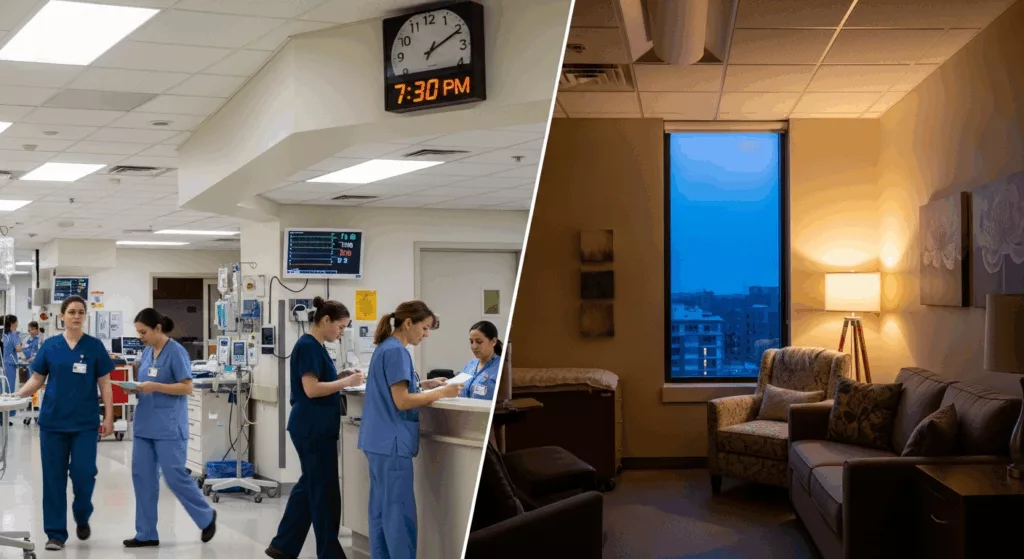
The statistics paint a clear picture: CDC workplace traumatic incident resources show that healthcare workers experience higher rates of trauma exposure than the general population, yet they’re also the least likely to seek treatment due to scheduling barriers and stigma within their profession.
Traditional therapy models fail healthcare workers in several key ways:
- Inflexible scheduling: Most therapists work standard business hours when healthcare workers are typically at work
- Long wait times: The therapy shortage means weeks or months between appointments
- Generic approaches: Many therapists lack specialized training in healthcare worker trauma
- Limited availability: Few providers offer weekend or evening appointments
- Geographic barriers: Specialized trauma therapists may be hours away from rural healthcare facilities
This creates a dangerous cycle where the very people dedicating their lives to healing others remain untreated for their own trauma, leading to burnout, compassion fatigue, and ultimately affecting patient care quality.
Evidence-Based Trauma Therapies That Adapt to Your Life
Modern trauma treatment has evolved far beyond traditional talk therapy, offering specialized interventions that create lasting neurological change while accommodating busy schedules. EMDR therapy Florida providers now offer flexible scheduling options that work around healthcare workers’ demanding schedules.
EMDR: Gold Standard for Trauma Treatment
Eye Movement Desensitization and Reprocessing (EMDR) has revolutionized trauma treatment by helping the brain reprocess traumatic memories without requiring extensive verbal processing. According to EMDR International Association guidelines, this approach is particularly effective for healthcare workers who may struggle to verbalize their trauma experiences.
EMDR offers several advantages for busy professionals:
- Efficient treatment: Often requires fewer sessions than traditional talk therapy
- Minimal homework: No extensive between-session assignments
- Flexible format: Can be delivered effectively via telehealth
- Evidence-based: Recognized by the APA Clinical Practice Guideline for PTSD as a first-line treatment
For healthcare workers dealing with patient deaths, workplace violence, or pandemic-related trauma, EMDR for Healthcare Workers: Evidence-Based Trauma Treatment provides specialized approaches that understand the unique nature of medical trauma.
Brainspotting and Advanced Trauma Techniques
Brainspotting represents another breakthrough in trauma treatment, accessing trauma stored in the subcortical brain through focused eye positions. This technique is particularly effective for healthcare workers experiencing complex trauma or dissociative symptoms.
Other evidence-based approaches that accommodate busy schedules include:
- Trauma-Focused CBT: Structured, goal-oriented sessions that maximize efficiency
- Somatic Therapy: Body-based approaches that address trauma’s physical impact
- Acceptance and Commitment Therapy (ACT): Helps professionals continue working while processing trauma
DBT Skills for Emotional Regulation
Many healthcare workers benefit from learning practical skills for managing overwhelming emotions while maintaining professional responsibilities. DBT Skills for Empathic Healthcare Workers: Florida Guide offers evidence-based techniques that can be practiced between shifts and during work breaks.
Telehealth vs. In-Person: Finding Your Best Fit for Trauma Recovery
Trauma therapy telehealth has emerged as a game-changer for healthcare workers, eliminating geographical barriers and providing access to specialized trauma therapists regardless of location. Research published in the research on telehealth trauma therapy effectiveness demonstrates that online trauma treatment can be equally effective as in-person therapy when delivered by qualified specialists.
Advantages of Telehealth Trauma Therapy
For Florida’s healthcare workers, telehealth offers unprecedented flexibility and accessibility:
- No commute time: Sessions can happen at home, reducing travel stress
- Scheduling flexibility: Easier to fit appointments between shifts or during breaks
- Comfort and privacy: Familiar environment can enhance therapeutic safety
- Geographic accessibility: Access specialists statewide, not just local providers
- Reduced stigma: Less chance of being seen entering a therapist’s office
- Better consistency: Fewer cancellations due to scheduling conflicts
When In-Person Treatment May Be Preferred
While telehealth works excellently for many, some situations may benefit from in-person sessions:
- Severe dissociative symptoms requiring immediate grounding support
- Technology barriers or unreliable internet connections
- Preference for physical presence during vulnerable processing
- Need for somatic or body-based interventions requiring physical assessment
The key is working with a therapist who offers both options and can recommend the best approach for your specific needs and circumstances.
Specialized Scheduling Options for Florida Healthcare Workers and Caregivers
Evening trauma therapy and weekend trauma counseling have become essential services for healthcare workers who cannot access traditional daytime appointments. Forward-thinking practices now offer scheduling that truly accommodates the healthcare worker lifestyle.
Evening and Weekend Appointments
Many trauma therapy specialists now offer extended hours specifically for healthcare workers:
- Evening sessions: Available until 7 PM or later
- Weekend availability: Saturday and sometimes Sunday appointments
- Flexible rescheduling: Understanding when emergencies or overtime disrupt plans
- Quick booking systems: Online scheduling that accommodates last-minute availability
Intensive Treatment Options
For healthcare workers with limited ongoing availability, intensive treatment formats can provide significant progress in concentrated timeframes:
- Extended sessions: 90-minute appointments that accomplish more per visit
- Intensive weekends: Multiple sessions over a weekend period
- Brief intensive formats: Concentrated treatment during vacation time
Understanding Complex Presentations
Healthcare workers often present with complex symptom pictures that require specialized assessment. Many struggle to differentiate between trauma responses and other conditions. Personality Disorder vs Trauma Response: How to Tell the Difference provides crucial insights for healthcare professionals wondering about their own mental health presentations.
Additionally, Dissociative Disorders in Caregivers: Warning Signs & Treatment addresses the unique ways trauma can manifest in helping professionals who must maintain emotional composure while processing difficult experiences.
What to Expect: Efficient, Solution-Focused Trauma Treatment
Healthcare workers need trauma treatment that respects their time while delivering real results. The most effective approaches combine evidence-based techniques with efficient, solution-focused methodologies that don’t drag out treatment unnecessarily.
Initial Assessment and Treatment Planning
Quality trauma therapy begins with a comprehensive assessment that identifies:
- Specific trauma experiences: Work-related incidents, personal history, and ongoing stressors
- Current symptom patterns: Nightmares, flashbacks, hypervigilance, emotional numbing
- Functional impacts: How trauma affects work performance and personal relationships
- Strengths and resources: Existing coping skills and support systems
- Treatment preferences: Scheduling needs, therapeutic approaches, and goals
Evidence-Based Treatment Progression
Effective trauma treatment follows a structured progression while remaining flexible to individual needs:
- Stabilization phase: Developing safety and coping skills
- Processing phase: Working through traumatic memories using EMDR or other techniques
- Integration phase: Consolidating gains and preventing relapse
SAMHSA trauma-informed care resources emphasize the importance of maintaining hope and empowerment throughout the treatment process, particularly for healthcare workers who may feel guilty about needing help.
Measuring Progress and Outcomes
Quality trauma therapy includes regular assessment of progress through:
- Standardized measures: Validated trauma symptom inventories
- Functional improvements: Better sleep, reduced anxiety, improved relationships
- Work performance: Decreased burnout, improved patient interactions
- Personal well-being: Increased life satisfaction and emotional regulation
Insurance Coverage and Accessibility for Florida Healthcare Workers
One of the biggest barriers to accessing specialized trauma treatment has traditionally been cost and insurance coverage. However, many evidence-based trauma therapies, including EMDR, are now covered by major insurance plans when provided by qualified practitioners.
Insurance Coverage for Trauma Therapy
Most major insurance plans in Florida now cover:
- EMDR therapy when provided by certified practitioners
- Trauma-focused CBT and other evidence-based approaches
- Telehealth sessions at the same rate as in-person therapy
- Weekend and evening appointments without additional fees
Healthcare workers should verify their specific benefits and seek providers who are in-network with their insurance plans to maximize accessibility.
Employee Assistance Programs
Many healthcare employers offer Employee Assistance Programs (EAPs) that provide:
- Free short-term counseling sessions
- Referrals to specialized trauma therapists
- Crisis intervention services
- Work-life balance resources
Taking the Next Step: Accessing Flexible Trauma Care in Florida
If you’re a healthcare worker in Florida ready to prioritize your own trauma recovery, the first step is finding a qualified specialist who understands both trauma treatment and the unique challenges of healthcare work.
Finding the Right Trauma Therapist
When searching for trauma therapy for healthcare workers, look for providers who offer:
- Specialized training: Certifications in EMDR, trauma therapy, or healthcare worker mental health
- Flexible scheduling: Evening and weekend appointments available
- Telehealth options: Secure, HIPAA-compliant online sessions
- Insurance acceptance: In-network with your health plan
- Understanding of healthcare culture: Familiarity with healthcare worker experiences and challenges
Questions to Ask Potential Therapists
Before beginning treatment, consider asking:
- What specific experience do you have treating healthcare workers?
- Are you trained in EMDR or other trauma-focused approaches?
- What scheduling flexibility do you offer for shift workers?
- How do you handle urgent situations between sessions?
- What is your approach to treatment planning and expected duration?
Preparing for Your First Session
To maximize the effectiveness of your initial trauma therapy session:
- Document symptoms: Keep a brief log of trauma symptoms and triggers
- Gather history: Prepare to discuss both work-related and personal trauma experiences
- Identify goals: Think about what you’d like to achieve through therapy
- Plan logistics: Ensure you have a private space for telehealth sessions
- Arrange coverage: Make sure you won’t be interrupted during sessions
Key Takeaways: Your Path to Trauma Recovery
Flexible trauma therapy options in Florida have evolved to meet the unique needs of healthcare workers and other helping professionals. The combination of evidence-based treatments like EMDR, convenient telehealth delivery, and specialized scheduling makes trauma recovery more accessible than ever before.
Remember these essential points:
- You deserve specialized care: Generic therapy approaches often fall short for healthcare worker trauma
- Flexibility is key: Look for providers offering evening, weekend, and telehealth options
- Evidence matters: Seek therapists trained in proven approaches like EMDR and trauma-focused CBT
- Insurance often covers treatment: Don’t assume specialized trauma therapy is unaffordable
- Recovery is possible: With the right approach and provider, healing from healthcare-related trauma is achievable
Your dedication to caring for others is admirable, but it shouldn’t come at the expense of your own mental health and well-being. Florida’s expanding network of flexible trauma therapy providers means you can finally access the specialized care you need on a schedule that works with your demanding professional life.
Take the first step today by researching qualified trauma therapists in your area who understand the unique challenges of healthcare work. Your patients deserve the best version of you—and that starts with taking care of yourself first.
Are you ready to explore how flexible trauma therapy options can fit into your life as a healthcare professional? What questions do you have about accessing evidence-based trauma treatment that works with your schedule?