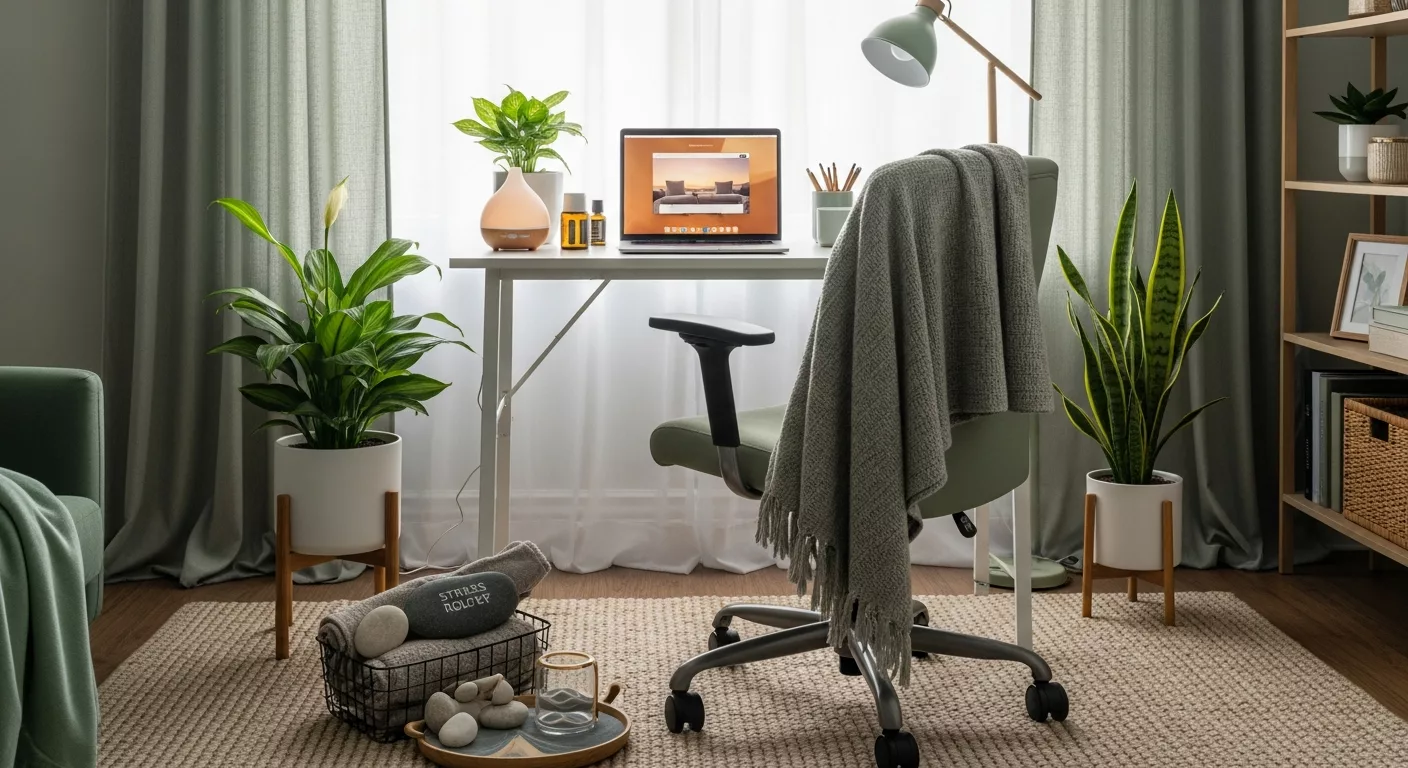
As a Florida empath, you’ve likely experienced the unique challenge of absorbing others’ emotions while struggling to find mental health care that truly understands your heightened sensitivity. Recent research shows that highly sensitive individuals require specialized therapeutic approaches—and telehealth therapy for empaths Florida may offer the perfect solution for empaths seeking effective, accessible treatment from the comfort of their own space.
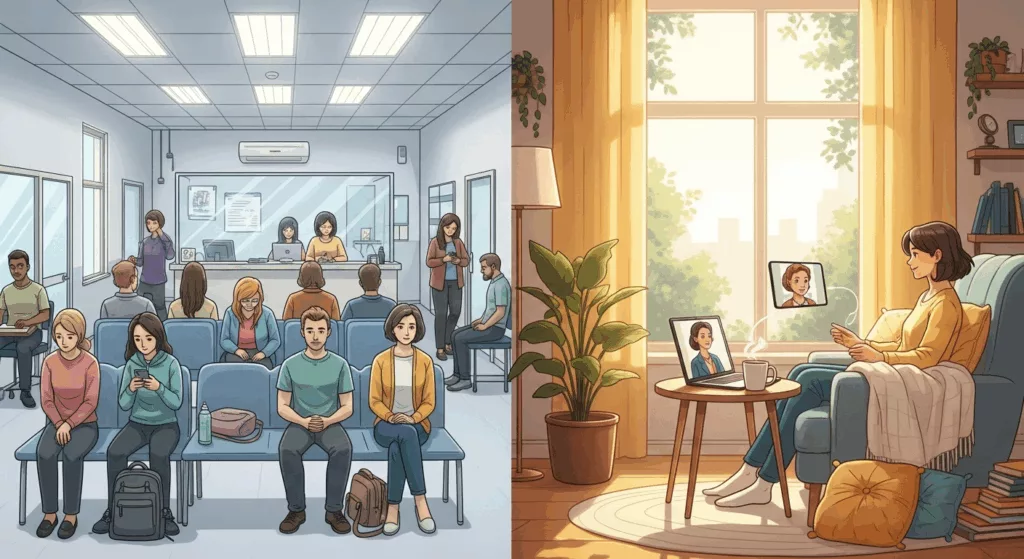
The pandemic fundamentally changed how we approach mental healthcare, but for empaths, the shift to virtual therapy has revealed unexpected benefits. You no longer need to navigate crowded waiting rooms that overwhelm your sensitive nervous system, and you can access specialized care without the emotional exhaustion of traveling to appointments.
This comprehensive guide will walk you through everything you need to know about telehealth therapy options specifically designed for empaths in Florida, from understanding your unique needs to finding the right specialist who truly gets what you’re experiencing.
Understanding Empath-Specific Mental Health Challenges in Florida
Empaths face distinct mental health challenges that traditional therapy models often overlook. Your heightened sensitivity to emotional energy means you’re constantly processing not just your own feelings, but also the emotions of everyone around you. This creates a perfect storm of mental health challenges that require specialized understanding and treatment approaches.
The Empathic Overload Phenomenon
Living in Florida’s densely populated areas—from Miami to Tampa to Orlando—means you’re constantly exposed to high levels of emotional energy. Whether you’re commuting through traffic, working in healthcare, or simply grocery shopping, your empathic abilities are working overtime.
Research from the National Institute of Mental Health indicates that highly sensitive individuals process sensory information more deeply, leading to increased activation in brain regions associated with awareness, empathy, and sensory processing. For Florida empaths, this translates to:
- Chronic emotional exhaustion from absorbing others’ stress
- Difficulty distinguishing between your emotions and others’
- Overwhelm in crowded Florida tourist destinations and urban areas
- Physical symptoms like headaches, fatigue, and digestive issues
- Sleep disturbances from processing emotional residue
Healthcare Worker Empaths: A Population at Risk
Florida’s healthcare system employs thousands of empathic individuals—nurses, therapists, social workers, and physicians who chose helping professions because of their natural sensitivity. However, this same sensitivity makes them vulnerable to complex trauma and burnout.
The COVID-19 pandemic intensified these challenges, with many empathic healthcare workers experiencing:
- Secondary trauma from patient suffering
- Moral injury from system limitations
- Compassion fatigue and emotional numbness
- Relationship strain due to emotional depletion
- Identity crisis when caregiving becomes overwhelming
The Traditional Therapy Gap
Many empaths have tried traditional talk therapy only to feel misunderstood or dismissed. Therapists without specialized training in high sensitivity often:
- Minimize empathic experiences as “overthinking”
- Focus on symptom management rather than root causes
- Miss the connection between sensitivity and trauma responses
- Lack understanding of energy-based healing approaches
- Don’t recognize the unique needs of helping professionals
This gap in understanding often leaves empaths feeling like they’re “too much” or that their experiences aren’t valid, compounding their original distress.
How Telehealth Therapy Addresses Unique Empath Needs
Telehealth therapy isn’t just convenient for empaths—it’s often therapeutic in itself. The virtual format addresses many of the environmental and energetic challenges that make traditional in-person therapy difficult for highly sensitive individuals.
Creating a Safe Energetic Space
Your home environment is your sanctuary, carefully curated to support your sensitive nervous system. When you receive online therapy for highly sensitive people, you maintain control over your therapeutic environment:
- No fluorescent lighting or clinical smells that trigger overwhelm
- Your own comfortable seating and familiar surroundings
- Ability to have comfort items, pets, or essential oils nearby
- No exposure to other clients’ emotional energy in waiting rooms
- Immediate access to your personal coping tools and rituals
According to APA telehealth research and guidelines, clients often report feeling more relaxed and open during virtual sessions, which is particularly beneficial for empaths who may feel guarded in unfamiliar environments.
Reducing Sensory Overload
The journey to and from therapy appointments can be overwhelming for empaths, especially in Florida’s busy metropolitan areas. Traffic, crowded parking lots, and bustling medical buildings create sensory overload before you even begin your session.
Telehealth eliminates these stressors, allowing you to:
- Avoid draining commutes through heavy traffic
- Skip crowded elevators and busy waiting areas
- Maintain your energy for the actual therapeutic work
- Process sessions immediately without additional stimulation
- Create rituals for transitioning into and out of therapy
Enhanced Emotional Safety
Empaths often struggle with boundaries, and the physical boundary of a screen can actually provide helpful structure. Many empaths report feeling more emotionally safe during virtual sessions because:
- There’s less risk of absorbing the therapist’s emotions
- The technology creates natural pacing and turn-taking
- You can more easily access grounding techniques in your space
- There’s reduced pressure from physical proximity and eye contact
- You maintain more control over the intensity of connection
Evidence-Based Treatment Modalities Available Through Telehealth
Effective therapy for empaths requires specialized approaches that address both the neurobiological aspects of high sensitivity and the trauma that often accumulates from years of emotional overwhelm. Several evidence-based modalities translate exceptionally well to virtual formats.
EMDR Therapy: Processing Trauma Virtually
Virtual EMDR therapy Florida has become increasingly sophisticated, with specialized protocols adapted for online delivery. EMDR (Eye Movement Desensitization and Reprocessing) is particularly effective for empaths because it processes trauma stored in the nervous system without requiring extensive verbal processing.
Many empaths have experienced what therapists call “little t” traumas—seemingly minor incidents that accumulate over time due to their heightened sensitivity. EMDR helps process these experiences by:
- Reducing the emotional charge of overwhelming memories
- Helping the brain reprocess stored trauma responses
- Strengthening positive beliefs about personal worth and safety
- Improving emotional regulation and resilience
- Addressing both recent stressors and childhood experiences
Virtual EMDR sessions use specialized software and techniques to guide eye movements through the screen, making this powerful therapy accessible from your safe space.
Brainspotting: Deep Healing for Sensitive Nervous Systems
Brainspotting is another trauma therapy that works exceptionally well for empaths in virtual formats. This approach accesses trauma stored in the subcortical brain—the area most affected by chronic empathic overload.
During brainspotting sessions, you’ll work with your therapist to identify specific eye positions that activate your trauma responses, then process these experiences while maintaining that eye position. For empaths, this technique is particularly powerful because it:
- Bypasses cognitive defenses that might minimize experiences
- Accesses deeper levels of stored emotional material
- Works with the body’s natural healing mechanisms
- Doesn’t require extensive talking about traumatic events
- Helps release physical tension from chronic emotional holding
Somatic Approaches for Nervous System Regulation
Empaths often experience chronic nervous system dysregulation from constantly processing emotional stimuli. Somatic therapy approaches work directly with the body’s responses, teaching you to:
- Recognize early signs of empathic overload in your body
- Develop tools for nervous system regulation
- Create stronger boundaries through embodied practices
- Release stored tension and emotional energy
- Build resilience for future empathic experiences
Virtual somatic therapy sessions can include breathing exercises, gentle movement, and mindfulness practices that you can easily implement in your home environment.
Specialized Therapy for Burnout and Secondary Trauma
For empaths working in helping professions, telehealth for healthcare workers often includes specialized interventions for burnout and secondary trauma. These approaches recognize that empathic individuals in caregiving roles face unique challenges that require targeted treatment.
Evidence-based treatments include:
- Trauma-Focused CBT adapted for helping professionals
- Compassion fatigue interventions
- Boundary-setting skills training
- Values clarification and meaning-making work
- Stress inoculation training for high-pressure environments
Navigating Insurance Coverage for Virtual Empath Therapy in Florida
One of the biggest barriers empaths face in accessing specialized care is cost. Fortunately, the expansion of telehealth has also improved insurance coverage for virtual mental health services in Florida.
Current Florida Insurance Landscape
Florida law requires insurance parity for telehealth services, meaning virtual sessions must be covered at the same rate as in-person appointments. Major insurers operating in Florida now cover telehealth therapy, including:
- Florida Blue (Blue Cross Blue Shield of Florida)
- Aetna
- Cigna
- UnitedHealthcare
- Humana
- Medicare Advantage plans
- Most Medicaid managed care plans
Understanding Your Benefits
Before beginning empath burnout treatment online, review your insurance benefits to understand:
- Your annual deductible and whether it applies to mental health services
- Copayment amounts for therapy sessions
- Whether you need a referral from your primary care physician
- Annual session limits (typically 12-26 sessions per year)
- Coverage for specialized therapies like EMDR or brainspotting
Working with Specialized Providers
When seeking therapy specifically designed for empaths, look for providers who:
- Accept your insurance and are in-network
- Have specialized training in trauma therapy and high sensitivity
- Offer evidence-based treatments like EMDR or somatic therapy
- Understand the unique needs of helping professionals
- Provide flexible scheduling for your work demands
Some therapists offer sliding scale fees or payment plans for clients whose insurance doesn’t cover specialized treatments.
Finding the Right Telehealth Therapist: Specialization Matters
Not all therapists understand the unique needs of empaths and highly sensitive individuals. Finding the right match requires looking beyond basic licensing to identify providers with specialized training and experience.
Essential Qualifications to Look For
When searching for Florida online mental health services specifically for empaths, prioritize therapists with:
- Specialized training in trauma therapy (EMDR, brainspotting, somatic approaches)
- Experience working with highly sensitive individuals
- Understanding of empathic abilities and energy sensitivity
- Training in treating helping professionals and healthcare workers
- Knowledge of nervous system regulation and polyvagal theory
- Certification in specialized modalities beyond basic talk therapy
Red Flags to Avoid
Be cautious of therapists who:
- Dismiss empathic experiences as “overthinking” or “being too sensitive”
- Only offer generic cognitive behavioral therapy without trauma specialization
- Don’t understand the connection between sensitivity and trauma responses
- Lack experience with the unique challenges of helping professionals
- Show little interest in your specific empathic experiences
Remember, if traditional therapy hasn’t worked for you, it doesn’t mean you’re unfixable—it means you need a different approach.
Questions to Ask Potential Therapists
During initial consultations, ask:
- What experience do you have working with highly sensitive individuals or empaths?
- How do you understand the connection between empathic abilities and mental health challenges?
- What specialized training do you have in trauma therapy beyond basic CBT?
- How do you adapt your approach for virtual sessions?
- What’s your philosophy about empathic abilities—do you see them as pathological or as gifts that need support?
Getting Started: Your First Virtual Therapy Session as an Empath
Preparing for your first telehealth therapy session as an empath involves both practical and emotional preparation. The goal is to create an optimal environment for healing while managing any anxiety about beginning this journey.
Setting Up Your Healing Space
Your physical environment significantly impacts your therapy experience as an empath. Consider these preparations:
- Choose a private, comfortable room where you won’t be interrupted
- Ensure stable internet connection to avoid technical disruptions
- Have comfort items nearby—blankets, tissues, water, calming scents
- Dim harsh lighting and create a soothing atmosphere
- Silence notifications on phones and other devices
- Consider having grounding objects like crystals or stress balls within reach
Emotional Preparation
As an empath, you might feel anxious about opening up to a new therapist or worried about being misunderstood. These feelings are normal and valid. Consider:
- Writing down key points you want to discuss
- Preparing examples of your empathic experiences
- Identifying your primary goals for therapy
- Planning self-care activities for after the session
- Reminding yourself that healing is a process, not a single event
What to Expect in Your First Session
Initial telehealth sessions typically focus on:
- Assessment of your current symptoms and challenges
- Discussion of your empathic experiences and how they affect your daily life
- Review of your trauma history and previous therapy experiences
- Exploration of your goals and expectations for treatment
- Introduction to therapeutic approaches that might help
- Development of initial coping strategies for immediate relief
A skilled therapist will validate your empathic experiences and help you understand how your sensitivity connects to your current challenges.
Building a Therapeutic Relationship Virtually
Some empaths worry that virtual therapy won’t allow for the same depth of connection as in-person sessions. However, research on telehealth mental health effectiveness shows that strong therapeutic relationships can absolutely develop through virtual platforms.
To enhance your virtual therapeutic relationship:
- Be patient with yourself as you adjust to the format
- Communicate openly about what’s working and what isn’t
- Use the chat function to share thoughts that are hard to verbalize
- Don’t hesitate to ask for clarification or repetition
- Remember that healing happens through consistency, not just intensity
Specialized Support for Florida’s Helping Professionals
Florida’s healthcare system, educational institutions, and social service agencies employ thousands of empathic individuals who need specialized support. The intersection of professional demands and empathic sensitivity creates unique challenges that require targeted interventions.
Understanding Professional Empath Burnout
Healthcare workers, teachers, social workers, and other helping professionals who are also empaths face a double burden. They’re not only dealing with job-related stress but also absorbing the emotional pain of those they serve.
Signs of empath burnout in helping professionals include:
- Emotional numbness alternating with overwhelming feelings
- Physical exhaustion that rest doesn’t relieve
- Cynicism about their ability to make a difference
- Difficulty maintaining boundaries between work and personal life
- Increased illness or chronic pain
- Relationship strain due to emotional depletion
The CDC mental health and stress management resources emphasize the importance of recognizing these signs early and seeking appropriate support.
Tailored Treatment Approaches
Effective therapy for helping professional empaths addresses both individual healing and professional sustainability. This might include:
- Processing secondary trauma from client or patient experiences
- Developing professional boundaries that protect empathic sensitivity
- Learning energy management techniques for high-demand environments
- Addressing identity issues when caregiving becomes overwhelming
- Building resilience for ongoing exposure to suffering
Many empathic helping professionals benefit from approaches that recognize their sensitivity as both a professional strength and a vulnerability that needs protection.
The Future of Empath Care in Florida
The landscape of mental health care for empaths and highly sensitive individuals continues to evolve, particularly in Florida where telehealth adoption has accelerated rapidly. Understanding these trends can help you make informed decisions about your long-term care.
Emerging Treatment Modalities
New therapeutic approaches specifically designed for highly sensitive individuals are being integrated into telehealth platforms:
- Virtual reality therapy for exposure work and relaxation
- Biofeedback devices that sync with telehealth sessions
- Group therapy programs specifically for empaths and HSPs
- Integration of mindfulness and somatic practices in virtual formats
- Specialized apps and tools for between-session support
Improved Access and Specialization
As awareness of high sensitivity and empathic traits grows, more therapists are seeking specialized training. This means better access to knowledgeable providers throughout Florida, particularly in underserved rural areas where telehealth bridges geographic gaps.
Psychiatric Times telehealth research findings suggest that the quality and effectiveness of virtual mental health services will continue improving as technologies advance and therapists become more skilled in remote delivery.
Taking the Next Step: Your Journey to Healing
If you’re a Florida empath who has struggled to find effective mental health care, telehealth therapy offers unprecedented access to specialized treatment. The combination of environmental control, reduced sensory overload, and access to expert providers makes virtual therapy particularly well-suited to your unique needs.
Remember that healing from trauma requires specialized approaches—and your empathic sensitivity may mean you need something beyond traditional talk therapy.
Key Takeaways for Florida Empaths
- Your sensitivity is valid—you need specialized care, not generic therapy approaches
- Telehealth offers unique benefits for empaths, including environmental control and reduced overwhelm
- Evidence-based treatments like EMDR and brainspotting work effectively in virtual formats
- Insurance coverage for telehealth has expanded significantly in Florida
- Specialization matters—seek therapists trained in trauma therapy and high sensitivity
- Helping professionals face unique challenges that require targeted interventions
Your journey as an empath doesn’t have to be one of constant overwhelm and emotional exhaustion. With the right support and specialized care, you can learn to protect your sensitivity while using your empathic gifts in healthy, sustainable ways.
At Healing Speak, we specialize in helping those who don’t think they can be helped—particularly empaths and helping professionals who have tried traditional therapy without success. Our evidence-based approaches, including EMDR and trauma-focused interventions, are available throughout Florida via secure telehealth platforms.
Are you ready to experience therapy that truly understands your empathic nature? Your healing journey can begin from the comfort and safety of your own space. Contact us today to learn how specialized telehealth therapy can help you reclaim your peace and transform your sensitivity from a burden into a source of strength.