
As a helping professional in Florida, you’ve likely witnessed trauma’s impact firsthand—but when traditional therapy hasn’t provided the breakthrough you need for your own healing, telehealth EMDR Florida offers a scientifically-backed solution that’s both accessible and surprisingly effective through your screen. The revolutionary approach of Eye Movement Desensitization and Reprocessing therapy has adapted seamlessly to virtual platforms, maintaining its gold-standard effectiveness while eliminating geographic barriers and scheduling constraints that often prevent busy caregivers from accessing specialized trauma treatment.
The transition to online EMDR therapy has opened doors for countless Florida residents who previously couldn’t access qualified EMDR therapists due to location, work schedules, or other practical barriers. Research consistently demonstrates that virtual EMDR sessions produce outcomes comparable to in-person treatment, making this evidence-based trauma therapy more accessible than ever before.
What Makes EMDR Effective in Telehealth Settings
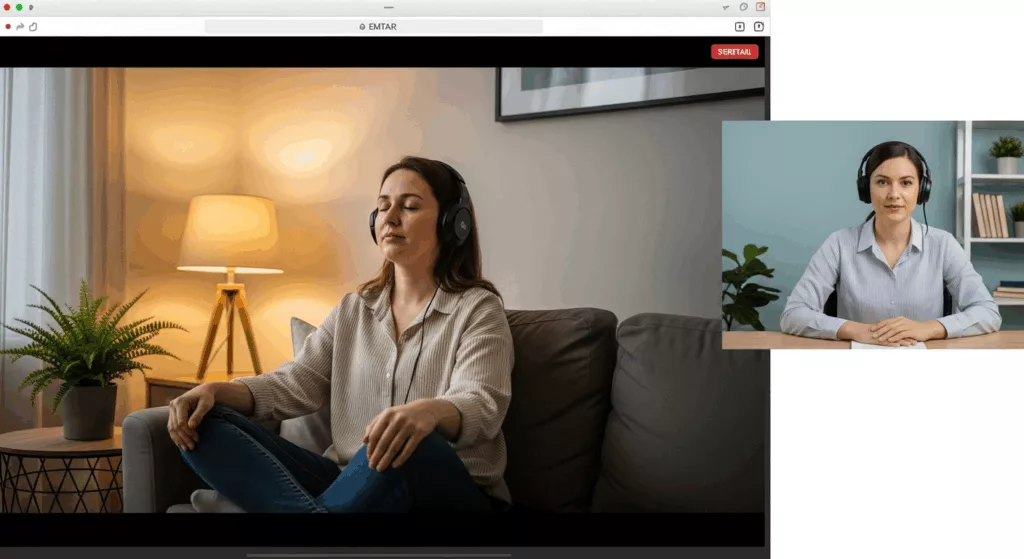
The core mechanism of EMDR therapy translates remarkably well to virtual environments. The bilateral stimulation that defines EMDR treatment—traditionally achieved through following a therapist’s finger movements—adapts seamlessly to screen-based delivery through specialized software, audio tones, or tactile devices.
Digital bilateral stimulation methods include:
- Visual tracking of moving objects on screen
- Alternating audio tones through headphones
- Tactile buzzers or vibrating devices
- Self-administered butterfly hugs and tapping
The therapeutic relationship, crucial for EMDR success, develops just as effectively through secure video platforms. Many clients actually report feeling safer processing trauma from their own homes, creating an optimal environment for the vulnerability required in trauma work.
Maintaining Therapeutic Presence Online
Skilled EMDR therapists have adapted their techniques to maintain the essential therapeutic presence through screens. This includes careful attention to eye contact through camera positioning, clear verbal processing, and enhanced attunement to subtle client responses that might be less obvious in virtual settings.
The contained environment of telehealth sessions often enhances the safety that empaths and highly sensitive individuals need to process traumatic material. Without the potential distractions or triggers of unfamiliar clinical settings, many clients find they can access traumatic memories more safely.
The Science Behind Virtual EMDR: Research and Outcomes
Multiple peer-reviewed studies have validated the effectiveness of online EMDR therapy Florida residents are accessing. A comprehensive review published in the Journal of EMDR Practice and Research found no significant difference in treatment outcomes between in-person and telehealth EMDR sessions.
The APA Guidelines for EMDR Therapy acknowledge telehealth delivery as an acceptable and effective treatment modality, particularly important given the increased demand for trauma treatment following recent global events.
Neurobiological Changes Remain Consistent
Brain imaging studies demonstrate that the neurobiological changes associated with EMDR treatment—including decreased amygdala reactivity and improved prefrontal cortex regulation—occur equally in both virtual and in-person sessions. The bilateral stimulation continues to facilitate the reprocessing of traumatic memories regardless of delivery method.
Key research findings include:
- 85% of participants showed significant PTSD symptom reduction
- Treatment completion rates were actually higher in telehealth settings
- Client satisfaction scores were comparable between delivery methods
- No increase in adverse events or therapeutic ruptures
The EMDR International Association has endorsed telehealth delivery and provides specific guidance for practitioners adapting their practice to virtual platforms.
Step-by-Step Process of Online EMDR Therapy in Florida
Understanding what to expect from virtual EMDR treatment helps reduce anxiety and maximize therapeutic benefits. The process follows the same eight-phase protocol as in-person EMDR, with specific adaptations for the virtual environment.
Phase 1: History Taking and Treatment Planning
Your therapist conducts a comprehensive assessment via secure video platform, exploring your trauma history, current symptoms, and treatment goals. This phase often takes 1-2 sessions and includes education about how EMDR works in virtual settings.
During this phase, your therapist will assess your home environment’s suitability for trauma processing and help you create a safe, private space for sessions. They’ll also evaluate your technology setup and internet stability to ensure smooth treatment delivery.
Phase 2: Preparation and Stabilization
Before processing traumatic memories, your therapist teaches you coping skills and grounding techniques adapted for virtual delivery. This includes learning to use bilateral stimulation tools and establishing safety protocols for managing intense emotions during online sessions.
Self-care resources become particularly important in telehealth settings, where you’ll remain in your environment after sessions rather than transitioning from a clinical setting. Your therapist may recommend specific apps, breathing techniques, or physical grounding exercises.
Phases 3-6: Active Trauma Processing
The core EMDR work begins with identifying target memories and associated negative beliefs. Using screen-based bilateral stimulation or audio tones, you’ll process traumatic material while your therapist guides you through the experience virtually.
Many clients find the virtual environment actually enhances their ability to access and process traumatic memories. The familiar surroundings of home can provide a sense of safety that facilitates deeper therapeutic work.
Phases 7-8: Closure and Reevaluation
Each session ends with specific closure techniques to ensure you’re grounded and stable before disconnecting. Your therapist will check in at the beginning of each subsequent session to evaluate progress and address any between-session experiences.
Who Benefits Most from Telehealth EMDR Treatment
Certain populations find telehealth trauma therapy particularly beneficial due to accessibility, scheduling flexibility, and the comfort of receiving treatment from home. Healthcare workers, teachers, and other helping professionals often struggle to take time off for therapy appointments, making virtual sessions essential for accessing needed treatment.
Healthcare Workers and First Responders
Florida’s healthcare workers have experienced unprecedented trauma levels, from pandemic stress to secondary trauma from patient care. Telehealth EMDR Florida programs specifically designed for healthcare workers allow them to access treatment around demanding work schedules.
The anonymity of virtual treatment can reduce concerns about professional stigma while providing evidence-based trauma treatment that addresses both occupational and personal trauma histories.
Caregivers and Empaths
Highly sensitive individuals and natural caregivers often find virtual EMDR particularly effective. The controlled environment reduces sensory overwhelm while allowing them to process the complex trauma that often underlies people-pleasing behaviors and boundary difficulties.
Many empaths report that virtual sessions help them maintain better emotional boundaries during treatment, preventing them from absorbing their therapist’s energy or becoming distracted by environmental stimuli in clinical settings.
Rural and Underserved Communities
Geographic barriers have historically prevented many Florida residents from accessing qualified EMDR therapists. Virtual delivery democratizes access to specialized trauma treatment, connecting rural communities with certified practitioners throughout the state.
This is particularly important for addressing trauma in agricultural communities, where occupational hazards and economic stressors compound personal trauma histories.
Clients with Mobility or Transportation Challenges
Physical disabilities, chronic health conditions, or lack of reliable transportation no longer prevent access to EMDR treatment. Virtual sessions eliminate these barriers while maintaining treatment effectiveness.
For individuals with trauma-related agoraphobia or social anxiety, the option to receive treatment from home can be the difference between accessing care and remaining untreated.
Technology Requirements and Session Preparation
Successful EMDR effectiveness online depends on proper technology setup and session preparation. While the requirements aren’t complex, ensuring optimal conditions enhances treatment outcomes and prevents technical disruptions during vulnerable processing work.
Essential Technology Components
Minimum technical requirements include:
- Reliable high-speed internet connection (minimum 10 Mbps download)
- Computer, tablet, or smartphone with camera and microphone
- Private space where you won’t be interrupted
- Headphones or earbuds for audio privacy and clarity
- Backup internet option (mobile hotspot) for connection redundancy
Many therapists provide bilateral stimulation apps or recommend specific tools like bilateral audio tracks or tactile devices that enhance the EMDR experience in virtual settings.
Creating Your Therapeutic Environment
Your physical environment significantly impacts treatment effectiveness. Choose a quiet, private space where you feel safe and can express emotions freely without concern about others hearing or interrupting.
Consider lighting, seating comfort, and temperature control to minimize distractions during sessions. Some clients create a dedicated “therapy space” that helps them transition into the therapeutic mindset.
Safety and Privacy Considerations
HIPAA-compliant platforms ensure session confidentiality, but you’re responsible for ensuring privacy on your end. This includes securing your internet connection, using private devices, and ensuring household members understand session boundaries.
Establish emergency protocols with your therapist, including local crisis resources and procedures for handling technical failures during intense processing work.
Finding Certified EMDR Therapists for Virtual Sessions
Not all therapists offering EMDR are equally qualified, particularly for virtual delivery. Seeking a Florida EMDR therapist with specific training in telehealth delivery ensures you receive competent, effective treatment.
Essential Qualifications to Verify
Look for therapists who hold current EMDR certification from recognized training institutes and have additional training in telehealth delivery. The therapist should demonstrate familiarity with virtual bilateral stimulation techniques and online safety protocols.
Key credentials include:
- EMDR certification from EMDRIA-approved training programs
- Current Florida mental health licensure
- Specialized training in telehealth delivery
- Experience treating your specific trauma type
- Malpractice insurance covering telehealth services
At Healing Speak, our EMDR Therapy Florida approach combines certified expertise with specialized focus on complex trauma and helping professionals who haven’t found success with traditional talk therapy.
Specialization in Complex Trauma
Many Florida residents seeking EMDR therapy present with complex trauma histories requiring specialized expertise beyond basic EMDR training. Look for therapists with additional certifications in treating personality disorders, dissociative disorders, or attachment trauma.
Complex cases often benefit from therapists who integrate EMDR with other evidence-based approaches like DBT therapy or somatic interventions, particularly when addressing trauma from narcissistic abuse or childhood emotional neglect.
Understanding Complex PTSD Diagnosis Criteria helps you identify therapists equipped to address the full scope of your trauma history rather than focusing solely on single-incident PTSD.
Insurance and Accessibility Considerations
Verify that potential therapists accept your insurance for telehealth services and understand any copay or deductible differences for virtual sessions. Some insurance plans have specific requirements for telehealth mental health services.
The SAMHSA Telehealth Mental Health Guidelines provide comprehensive information about insurance coverage and regulatory requirements for virtual mental health services.
Initial Consultation and Fit Assessment
Most qualified EMDR therapists offer brief consultations to assess treatment fit and answer questions about their virtual delivery approach. Use this opportunity to evaluate their technical setup, communication style, and specialization areas.
Ask specific questions about their experience treating your trauma type, their virtual bilateral stimulation methods, and their protocols for managing crisis situations during online sessions.
Specialized Support for Healthcare Workers and Empaths
Florida’s helping professionals face unique challenges that require specialized understanding beyond general trauma treatment. Virtual EMDR therapy designed specifically for healthcare workers, teachers, and other caregivers addresses both occupational trauma and the personal trauma histories that often draw individuals to helping professions.
Addressing Secondary Trauma
Healthcare workers accumulate trauma not only from their own experiences but from repeated exposure to patient suffering, death, and medical crises. Traditional therapy approaches often don’t address the cumulative impact of secondary trauma or the unique guilt patterns healthcare workers develop.
EMDR therapy effectively processes both primary and secondary trauma, helping healthcare workers separate their professional identity from their trauma responses and reduce the emotional numbing that often develops as a protective mechanism.
Integration with DBT Skills
Many helping professionals benefit from combining EMDR trauma processing with dialectical behavior therapy skills training. DBT Skills Groups for Florida Healthcare Workers provide essential emotion regulation and distress tolerance skills that enhance EMDR outcomes.
This integrated approach addresses the tendency of helping professionals to intellectualize their trauma rather than processing it emotionally, a pattern that can limit traditional therapy effectiveness.
Key Takeaways for Your EMDR Journey
Essential points to remember about telehealth EMDR in Florida:
- Virtual EMDR maintains the same effectiveness as in-person treatment with proper setup and qualified therapists
- Technology requirements are manageable, but session environment and privacy are crucial
- Specialized training in both EMDR and telehealth delivery ensures optimal treatment outcomes
- Healthcare workers and empaths often find virtual sessions particularly beneficial due to increased safety and accessibility
- Insurance coverage for telehealth mental health services has expanded significantly, making treatment more accessible
The integration of evidence-based trauma treatment with virtual delivery has revolutionized access to specialized care for Florida residents. No longer do geographic location, work schedules, or transportation barriers prevent access to the gold-standard treatment for trauma and PTSD.
Research from the National Center for Biotechnology Information consistently demonstrates that telehealth mental health services, including EMDR, maintain treatment effectiveness while improving accessibility and client satisfaction.
Taking the Next Step Toward Healing
If traditional talk therapy hasn’t provided the breakthrough you need, telehealth EMDR offers a proven alternative that addresses trauma at its neurobiological roots. The convenience of virtual delivery removes many barriers that prevent busy helping professionals from accessing the specialized care they deserve.
For those struggling with complex trauma, personality disorders, or the aftermath of narcissistic abuse, finding a therapist who specializes in these areas while offering the accessibility of telehealth can be transformative. The combination of evidence-based treatment with the comfort and safety of your own environment creates optimal conditions for healing.
Recovery from trauma isn’t about managing symptoms forever—it’s about processing and resolving traumatic material so it no longer controls your life. Virtual EMDR therapy makes this level of healing accessible to Florida residents regardless of their location, schedule constraints, or other practical barriers.
Understanding more about Healing After Emotional Manipulation can help you recognize patterns that may benefit from EMDR processing, particularly if you’ve experienced relational trauma or narcissistic abuse.
Ready to explore whether telehealth EMDR might be the breakthrough you’ve been seeking? The combination of proven effectiveness, increased accessibility, and specialized expertise designed for helping professionals offers hope for those who haven’t found success with traditional therapy approaches. Your healing journey doesn’t have to wait for the perfect timing or ideal circumstances—sometimes the most powerful step is simply beginning where you are, with the tools available to you now.