If bubble baths and meditation apps were the answer to nurse burnout, Florida’s healthcare crisis would be solved by now. The reality? Research shows that 76% of nurses report symptoms of burnout, and traditional self-care advice often falls short for healthcare professionals facing complex trauma and systemic workplace stress. For Florida nurses juggling hurricane season, staffing shortages, and an aging population, generic self-care recommendations don’t address the unique psychological demands of healthcare work.
The evidence is clear: self-care for Florida nurses requires specialized, trauma-informed approaches that go beyond surface-level wellness advice. This comprehensive guide examines what research actually shows about effective self-care strategies for healthcare professionals, moving beyond feel-good platitudes to evidence-based interventions that create lasting change.
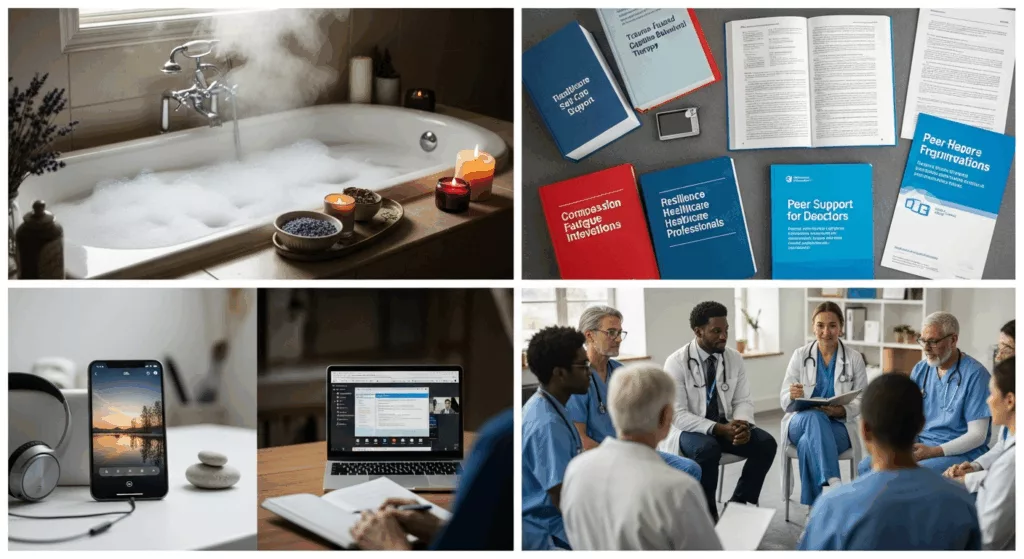
Why Traditional Self-Care Fails Florida Nurses: The Research Reality
The National Academy of Medicine’s Action Collaborative on Clinician Well-Being found that conventional self-care approaches fail healthcare workers because they don’t address the root causes of occupational stress. Florida nurses face unique challenges that make generic wellness advice particularly inadequate.
Research from the National Center for Biotechnology Information shows that healthcare worker burnout stems from systemic workplace factors, not personal resilience deficits. Yet most self-care advice places the burden on individual nurses to “manage stress better” rather than addressing organizational trauma.
The Florida Healthcare Context
Florida’s healthcare environment creates specific stressors that traditional self-care doesn’t address:
- Natural disaster response: Hurricane seasons require extended shifts and disaster nursing protocols
- Tourist population surges: Seasonal population increases strain healthcare systems
- Aging demographics: Florida’s elderly population requires complex, emotionally demanding care
- Staffing shortages: The American Association of Colleges of Nursing reports critical nursing shortages across Florida
These systemic issues explain why telling exhausted nurses to “practice gratitude” or “take relaxing baths” misses the mark entirely. Nurse burnout in Florida requires interventions that address both individual symptoms and the broader healthcare trauma environment.
The Secondary Trauma Factor
Healthcare workers experience secondary traumatic stress at rates comparable to direct trauma survivors. A study published in the Journal of Traumatic Stress found that 73% of healthcare professionals showed symptoms of secondary trauma, yet most self-care programs ignore this reality.
Traditional self-care assumes stress comes from everyday life pressures. But nurses witness death, suffering, and human tragedy as part of their daily work. This requires specialized evidence-based self-care approaches designed for trauma-exposed professionals.
Evidence-Based Self-Care Strategies That Actually Work for Healthcare Professionals
Research-backed self-care for healthcare workers focuses on nervous system regulation, trauma processing, and building genuine resilience rather than temporary stress relief.
Trauma-Informed Physical Practices
The CDC’s workplace health promotion guidelines for healthcare workers emphasize that effective self-care must address the physiological impact of chronic stress exposure.
Somatic Movement and Breathwork:
- Diaphragmatic breathing exercises specifically designed for trauma recovery
- Progressive muscle relaxation targeting areas where healthcare workers hold tension
- Gentle yoga sequences that activate the parasympathetic nervous system
- Walking meditation in nature when possible, particularly beneficial in Florida’s year-round outdoor weather
Sleep Hygiene for Shift Workers:
Research shows that healthcare workers need specialized sleep protocols that account for irregular schedules and trauma exposure:
- Create complete darkness during daytime sleep periods using blackout curtains
- Use white noise or earplugs to block household sounds during day sleeping
- Maintain cool sleeping environments (especially crucial in Florida’s climate)
- Avoid caffeine 6 hours before intended sleep time, regardless of time of day
- Practice trauma-informed wind-down routines that process the day’s events
Cognitive and Emotional Regulation Strategies
Mindfulness-Based Stress Reduction (MBSR):
Clinical trials show MBSR reduces healthcare worker burnout by 25-30%. Unlike generic meditation apps, MBSR programs designed for healthcare professionals include:
- Guided meditations addressing specific healthcare stressors
- Body scan practices for nurses who spend long hours on their feet
- Mindful communication techniques for difficult patient interactions
- Compassion fatigue-specific mindfulness exercises
Cognitive Processing Techniques:
Healthcare workers benefit from structured approaches to processing difficult cases and workplace stress:
- Journaling protocols specifically designed for trauma-exposed professionals
- Thought challenging exercises that address healthcare-specific cognitive distortions
- Values clarification work to reconnect with nursing’s intrinsic rewards
- Boundary-setting strategies for empathetic healthcare workers
Trauma-Informed Approaches: EMDR and Brainspotting for Nurse Secondary Trauma
When self-care techniques aren’t enough to address secondary trauma symptoms, specialized therapy interventions become necessary. Healthcare worker mental health often requires professional treatment that goes beyond traditional talk therapy.
EMDR for Healthcare Workers
Eye Movement Desensitization and Reprocessing (EMDR) helps healthcare workers process specific traumatic cases that continue to cause distress. Research shows EMDR effectively treats secondary trauma in healthcare professionals.
EMDR specifically helps with:
- Intrusive memories of difficult patient cases
- Guilt or self-blame related to patient outcomes
- Hypervigilance and anxiety during work shifts
- Emotional numbing or dissociation as coping mechanisms
For Florida nurses dealing with hurricane-related medical emergencies or COVID-19 trauma, EMDR therapy can be covered by insurance and accessed through telehealth.
Brainspotting for Compassion Fatigue
Brainspotting for healthcare workers addresses compassion fatigue by accessing trauma stored in the subcortical brain. This approach is particularly effective for nurses experiencing:
- Emotional exhaustion that doesn’t improve with rest
- Difficulty connecting with patients or family members
- Physical symptoms without clear medical causes
- Feeling overwhelmed by previously manageable situations
Unlike traditional therapy that relies on talking through problems, Brainspotting works with the body’s natural healing mechanisms to process trauma that may be too overwhelming for verbal processing.
When to Seek Professional Support
Self-care reaches its limits when dealing with complex trauma responses. Signs that professional intervention is needed include:
- Persistent nightmares or intrusive thoughts about work
- Using alcohol or substances to cope with work stress
- Relationship problems stemming from work-related emotional exhaustion
- Physical symptoms like chronic headaches, digestive issues, or sleep disturbances
- Feeling disconnected from your body or emotions during work
Building Sustainable Mental Health Practices in Florida’s Demanding Healthcare Environment
Sustainable nurse stress management requires creating systems that work within the realities of healthcare schedules and workplace demands.
Micro-Practices for Busy Schedules
Research shows that brief, frequent interventions often work better than lengthy self-care routines for healthcare workers:
Between-Patient Reset Techniques:
- 30-second breathing exercises between patient rooms
- Progressive muscle relaxation targeting shoulders and neck
- Grounding techniques using the 5-4-3-2-1 sensory method
- Brief body scans to check for tension and stress symptoms
Shift Transition Rituals:
Creating intentional boundaries between work and personal life helps prevent secondary trauma from following nurses home:
- Brief decompression practices before leaving the facility
- Symbolic gestures like removing and mindfully storing work shoes
- Gratitude practices focusing on positive patient interactions
- Setting intentions for the personal time ahead
Building Professional Support Networks
The American Nurses Association emphasizes that peer support is crucial for healthcare worker well-being.
Formal Peer Support Programs:
- Joining or creating nurse support groups focused on secondary trauma
- Participating in critical incident debriefing sessions
- Seeking mentorship relationships with experienced nurses
- Engaging with nursing professional organizations for community support
Informal Support Strategies:
- Regular check-ins with trusted colleagues about emotional well-being
- Sharing resources and coping strategies with teammates
- Creating buddy systems for particularly challenging shifts
- Establishing boundaries around work-related conversations at home
Addressing Systemic Issues: When Self-Care Isn’t Enough
Individual self-care, while important, cannot solve systemic problems in healthcare. Florida healthcare professionals also need organizational changes that support worker well-being.
Workplace Advocacy and Change
Evidence shows that the most effective interventions combine individual self-care with organizational improvements:
- Advocating for adequate staffing ratios that allow for safe patient care
- Supporting policies that provide mental health resources for healthcare workers
- Participating in workplace wellness committees
- Pushing for trauma-informed policies in healthcare settings
The Joint Commission’s workplace safety standards increasingly recognize that healthcare worker well-being directly impacts patient safety and care quality.
Recognizing Complex Trauma Responses
Sometimes what appears to be poor self-care is actually a complex trauma response requiring specialized intervention. Dissociation in healthcare workers can manifest as:
- Feeling disconnected from your body during stressful procedures
- Emotional numbing as a protective mechanism
- Memory gaps during particularly difficult shifts
- Feeling like you’re “going through the motions” without emotional connection
These responses require professional treatment, not more self-care advice.
When Self-Care Isn’t Enough: Recognizing the Need for Professional Support
Understanding the difference between normal work stress and trauma responses is crucial for healthcare workers. Distinguishing between personality disorders and trauma responses helps ensure appropriate treatment.
Warning Signs That Indicate Need for Professional Help
Immediate Professional Support Needed:
- Thoughts of self-harm or suicide
- Increasing alcohol or drug use to cope
- Complete inability to sleep or persistent insomnia
- Panic attacks during work shifts
- Feeling unsafe or unable to perform job duties
Professional Support Recommended:
- Persistent symptoms lasting more than two weeks
- Relationship problems stemming from work stress
- Physical symptoms without clear medical cause
- Feeling emotionally numb or disconnected most of the time
- Intrusive thoughts or nightmares about work situations
Types of Professional Support Available
Florida nurses have access to various levels of professional mental health support:
Employee Assistance Programs (EAPs):
Most healthcare facilities offer confidential counseling services through EAPs. These typically provide:
- Short-term counseling sessions
- Crisis intervention services
- Referrals to specialized trauma therapists
- Resources for substance abuse treatment
Specialized Trauma Therapy:
Trauma recovery for healthcare workers often requires therapists who understand the unique challenges of medical settings. Look for therapists who offer:
- EMDR or Brainspotting for trauma processing
- Experience treating healthcare professionals
- Understanding of secondary trauma and compassion fatigue
- Flexible scheduling that accommodates shift work
Creating Your Science-Backed Self-Care Plan as a Florida Nurse
An effective self-care plan for Florida nurses must be realistic, evidence-based, and tailored to healthcare work demands.
Step 1: Assess Your Current Stress and Trauma Exposure
Before creating a self-care plan, honestly assess your current mental health status:
Use Validated Assessment Tools:
- Professional Self-Care Inventory to identify self-care gaps
- Secondary Traumatic Stress Scale to measure trauma exposure impact
- Maslach Burnout Inventory to assess burnout levels
- Brief trauma questionnaires to identify PTSD symptoms
Identify Your Specific Stressors:
- Which types of patient cases affect you most deeply?
- What workplace situations trigger the strongest stress responses?
- How is work stress affecting your relationships and personal life?
- What physical symptoms are you experiencing?
Step 2: Choose Evidence-Based Interventions
Based on your assessment, select interventions with research support:
For High Stress/Early Burnout:
- Implement daily mindfulness practices (5-10 minutes)
- Establish clear work-home boundaries
- Prioritize sleep hygiene adapted for shift work
- Engage in regular physical activity appropriate for your schedule
For Secondary Trauma Symptoms:
- Practice trauma-informed yoga or somatic exercises
- Use journaling techniques designed for trauma processing
- Consider professional EMDR or trauma therapy
- Join peer support groups for healthcare workers
For Severe Symptoms:
- Seek immediate professional evaluation
- Consider intensive therapy approaches
- Explore medication options with healthcare provider
- Temporarily reduce work hours if possible
Step 3: Create Realistic Implementation Strategies
Your self-care plan must work within the realities of nursing schedules:
Daily Practices (5-15 minutes):
- Morning intention-setting before shifts
- Brief breathing exercises between patients
- End-of-shift decompression practices
- Mindful transitions between work and home
Weekly Practices (30-60 minutes):
- Longer mindfulness or yoga sessions
- Time in nature (particularly beneficial in Florida)
- Connection with supportive friends or family
- Engaging in hobbies unrelated to healthcare
Monthly Practices:
- Professional massage or bodywork
- Retreat or intensive self-care day
- Evaluation of self-care plan effectiveness
- Professional therapy sessions if needed
Step 4: Monitor and Adjust
Effective self-care plans evolve based on what’s working:
- Keep a brief daily log of stress levels and self-care activities
- Regularly reassess using the same tools from step 1
- Adjust practices based on seasonal demands (hurricane season, holiday stress)
- Be willing to seek professional help when self-care reaches its limits
Key Takeaways for Florida Nurses
Evidence-based self-care for Florida nurses goes far beyond generic wellness advice. The research is clear: healthcare workers need specialized interventions that address secondary trauma, systemic workplace stress, and the unique demands of medical environments.
Essential points to remember:
- Traditional self-care advice often fails healthcare workers because it doesn’t address occupational trauma
- Effective self-care combines individual practices with systemic workplace changes
- Secondary trauma symptoms require professional treatment, not just better self-care
- Sustainable practices must work within the realities of nursing schedules and demands
- Professional support is a sign of strength, not weakness, for healthcare professionals
If you’re a Florida nurse struggling with burnout, secondary trauma, or the emotional demands of healthcare work, remember that specialized help is available. Evidence-based trauma therapy, including EMDR and Brainspotting, can address the root causes of healthcare worker distress in ways that generic self-care cannot.
Your well-being matters—not just for your own sake, but for the patients and families who depend on your care. When healthcare workers receive the specialized support they need, everyone benefits from improved patient safety and care quality.
Are you ready to move beyond surface-level self-care and address the deeper impact of healthcare trauma? Consider reaching out to trauma specialists who understand the unique challenges facing Florida’s healthcare professionals.