
After years of witnessing patient trauma and absorbing others’ pain, many healthcare professionals find themselves emotionally depleted—but what if your lived experience with compassion fatigue could become your greatest professional asset? The path from trauma recovery healthcare workers experience to specialized trauma treatment expertise isn’t just possible; it’s becoming one of the most meaningful career transitions in mental health today.
Healthcare workers face an epidemic of secondary trauma, with studies showing up to 40% experiencing symptoms of PTSD, depression, or anxiety. Yet within this crisis lies an unprecedented opportunity: those who understand trauma from the inside out are uniquely positioned to help others heal.
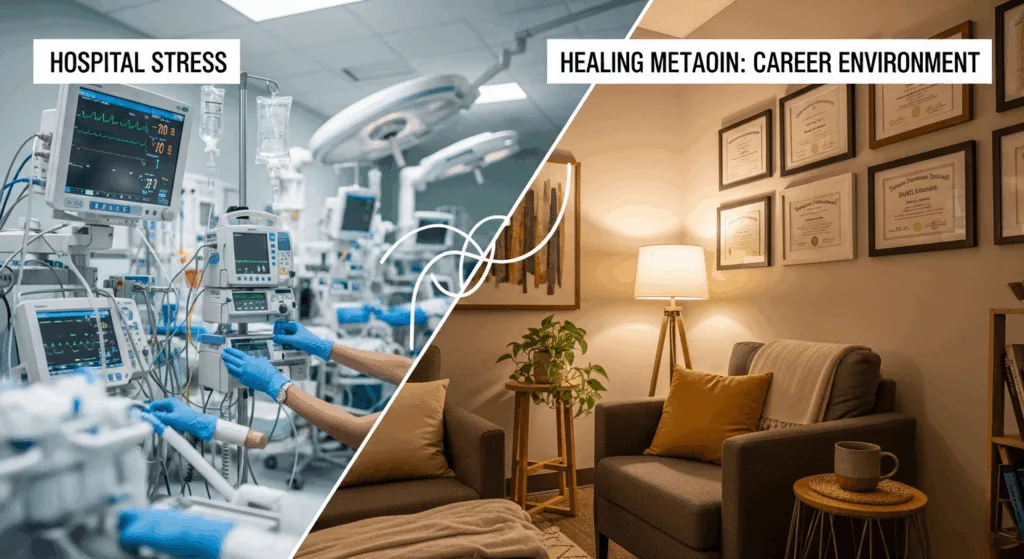
Understanding Secondary Trauma in Healthcare: Why Recovery Training Matters
Secondary trauma—the emotional duress healthcare workers experience from exposure to patient suffering—creates a unique form of psychological injury. Unlike primary trauma, which results from direct exposure to a traumatic event, secondary trauma accumulates gradually through repeated exposure to others’ pain and suffering.
Healthcare worker burnout often masks deeper trauma responses. The constant activation of your nervous system, hypervigilance during patient crises, and emotional numbing you might experience aren’t just “part of the job”—they’re trauma responses that deserve specialized attention.
Research from the National Center for Biotechnology Information demonstrates that healthcare workers exposed to patient trauma show similar neurobiological changes to those who’ve experienced direct trauma. This isn’t weakness; it’s a normal response to abnormal circumstances.
The symptoms healthcare professionals often dismiss as “just stress” include:
- Intrusive thoughts about patient cases outside of work
- Hypervigilance and difficulty relaxing when off-duty
- Emotional numbing or feeling disconnected from family
- Sleep disturbances and nightmares related to work experiences
- Increased cynicism about patient outcomes or healthcare systems
- Physical symptoms like headaches, digestive issues, or chronic fatigue
Understanding these responses as trauma—not character flaws—is the first step toward both personal recovery and professional transformation. When healthcare workers receive proper trauma treatment, they don’t just heal; they develop expertise that becomes invaluable in helping others navigate similar experiences.
Evidence-Based Approaches: EMDR and Brainspotting for Healthcare Professionals
Traditional talk therapy often falls short for healthcare workers experiencing secondary trauma because it doesn’t address the neurobiological changes that occur with repeated trauma exposure. Advanced therapeutic modalities like EMDR (Eye Movement Desensitization and Reprocessing) and Brainspotting work directly with the brain’s trauma processing systems.
EMDR Training for Healthcare Workers
EMDR training healthcare professionals receive often becomes the foundation for career transformation. The EMDR International Association reports that healthcare workers who complete EMDR training not only experience significant personal healing but also develop specialized skills highly valued in trauma treatment settings.
The EMDR training pathway typically involves:
- Basic Training (Weekend 1 & 2): 20 hours of instruction covering trauma theory, EMDR protocols, and supervised practice
- Practicum: 20 hours of supervised EMDR sessions with clients
- Consultation: 10 hours of consultation while conducting EMDR with clients
- Advanced Training: Specialized protocols for complex trauma, dissociation, and specific populations
Healthcare workers often find EMDR particularly appealing because it’s structured, protocol-driven, and produces measurable results—qualities that align with medical training. The bilateral stimulation used in EMDR helps reprocess traumatic memories by engaging both brain hemispheres, allowing stuck trauma to move through the nervous system naturally.
Brainspotting: Advanced Trauma Processing
Brainspotting, developed by Dr. David Grand, offers another powerful tool for both personal healing and professional development. This approach identifies “brainspots”—eye positions that correspond to neural networks holding trauma—and allows for deep processing without requiring detailed verbal recounting of traumatic experiences.
For healthcare workers who may have difficulty articulating their trauma experiences or who feel overwhelmed by traditional talk therapy, Brainspotting provides a gentler yet highly effective path to healing. The training is typically completed in two phases:
- Phase 1: Basic Brainspotting techniques and theory (3 days)
- Phase 2: Advanced techniques and specialized applications (3 days)
Many healthcare professionals report that learning Brainspotting helps them process their own trauma while simultaneously developing skills that prove invaluable in their work with patients or future therapy clients.
Building Specialized Skills: Certification Pathways for Trauma Recovery
The transition from healthcare to trauma-informed care career paths requires strategic skill development. Several certification pathways offer healthcare workers the opportunity to formalize their trauma expertise while building on their existing medical knowledge.
Clinical Trauma Professional Certification
The Certified Clinical Trauma Professional (CCTP) certification, offered through the International Association of Trauma Professionals, provides comprehensive training in trauma assessment, treatment planning, and evidence-based interventions. This certification is particularly valuable for healthcare workers because it:
- Builds on existing medical and patient care knowledge
- Provides practical tools for trauma assessment and treatment
- Offers continuing education credits relevant to healthcare licenses
- Creates pathways to specialized trauma treatment roles
Trauma-Informed Care Specialist Training
The SAMHSA trauma-informed care framework provides another avenue for healthcare workers to specialize in trauma recovery. This approach focuses on organizational and systemic changes that support trauma survivors, making it ideal for healthcare workers interested in improving trauma care within medical settings.
Training typically covers:
- Understanding trauma prevalence and impact
- Recognizing trauma symptoms in various populations
- Responding appropriately to trauma disclosures
- Resisting re-traumatization in healthcare settings
- Implementing trauma-informed policies and procedures
Specialized Population Training
Healthcare workers often develop expertise with specific populations during their medical careers, making specialized trauma training particularly valuable. Options include:
- Pediatric Trauma: For nurses, doctors, and other professionals who’ve worked with traumatized children
- Military and First Responder Trauma: Building on understanding of high-stress, life-or-death situations
- Medical Trauma: Helping patients process trauma related to medical procedures, diagnoses, or hospitalizations
- Substance Use and Trauma: Addressing the complex relationship between trauma and addiction
Creating Sustainable Practice: Balancing Efficiency with Compassion
One of the biggest challenges healthcare workers face when transitioning to trauma recovery careers is learning to pace themselves differently. Medical settings often require rapid decision-making and high patient volumes, while compassion fatigue recovery work demands a more measured approach.
Developing Professional Boundaries
Healthcare workers accustomed to being “always available” must learn to establish boundaries that protect both their own well-being and their therapeutic relationships. This includes:
- Setting clear limits on after-hours availability
- Learning to sit with client distress without immediately “fixing” it
- Developing personal self-care practices that prevent burnout
- Creating physical and emotional separation between work and personal life
Building Sustainable Caseloads
Unlike medical settings where you might see dozens of patients daily, trauma recovery work requires smaller caseloads and longer treatment relationships. Sustainable practice typically involves:
- Limiting trauma cases: Most specialists recommend no more than 60-70% of caseload be active trauma cases
- Scheduling buffer time: Building in time between intensive sessions for processing and documentation
- Diversifying client needs: Balancing complex trauma cases with less intensive therapy needs
- Regular supervision: Ongoing consultation to prevent secondary trauma and ensure effective treatment
Integrating Medical Knowledge with Therapeutic Skills
Healthcare workers bring unique advantages to trauma recovery work, including understanding of:
- Neurobiological trauma responses and their physical manifestations
- Medication interactions and medical comorbidities
- Crisis assessment and safety planning
- Working with individuals in acute distress
- Collaborative care approaches and interdisciplinary communication
The key is learning to slow down and allow space for emotional processing rather than moving immediately to problem-solving mode.
Insurance Coverage and Accessibility: Making Trauma Recovery Training Viable
One concern many healthcare workers have about career transitions involves financial sustainability. Fortunately, the growing recognition of trauma’s impact has led to improved insurance coverage for trauma-specific treatments and increased demand for trained professionals.
Insurance Reimbursement for Trauma Treatments
Most major insurance plans now cover evidence-based trauma treatments including:
- EMDR for PTSD and trauma-related conditions
- Trauma-Focused Cognitive Behavioral Therapy
- Prolonged Exposure Therapy
- Cognitive Processing Therapy
Healthcare workers transitioning to private practice often find that trauma specialization allows them to:
- Command higher session rates due to specialized expertise
- Build stable practices with consistent referrals
- Work with insurance panels seeking trauma specialists
- Offer both individual therapy and specialized trauma services
Training Investment and Return
While trauma-specific training requires initial investment, healthcare workers often recoup costs quickly due to:
- Higher earning potential: Trauma specialists often earn 20-30% more than general therapists
- Consistent demand: Trauma treatment has consistent referral streams from medical professionals
- Professional satisfaction: Many report significantly higher job satisfaction in trauma recovery work
- Flexible scheduling: Private practice or contract work often offers better work-life balance
Building While Working
Many healthcare workers successfully transition by building trauma expertise while maintaining their current positions:
- Completing weekend and evening training programs
- Starting with volunteer trauma recovery work
- Seeking trauma-informed care roles within current healthcare systems
- Building consultation relationships with trauma treatment centers
From Burnout to Specialization: Transforming Your Healthcare Career
Helping professionals trauma recovery isn’t just about healing—it’s about transformation. Healthcare workers who’ve experienced secondary trauma possess invaluable insights that can’t be taught in textbooks. Your understanding of crisis situations, ability to remain calm under pressure, and deep empathy for suffering are exactly the qualities that make effective trauma therapists.
Recognizing Your Unique Advantages
Healthcare workers entering trauma recovery fields bring several advantages:
- Crisis management skills: Ability to assess safety and manage acute situations
- Medical knowledge: Understanding of trauma’s physical and neurological impacts
- Professional communication: Experience working with diverse populations and difficult conversations
- Team collaboration: Understanding of multidisciplinary treatment approaches
- Ethical training: Strong foundation in professional boundaries and ethical practice
Career Path Options
The transition from healthcare to trauma recovery offers multiple pathways:
- Private Practice Trauma Therapy: Individual or group practice focusing on trauma treatment
- Hospital-Based Trauma Services: Providing trauma-informed care within medical settings
- Training and Consultation: Teaching trauma-informed approaches to healthcare organizations
- Research and Program Development: Developing evidence-based trauma interventions
- Specialty Programs: Creating niche services for specific trauma populations
Taking the First Steps
If you’re ready to transform your experience with healthcare trauma into specialized expertise, consider these initial steps:
- Seek your own trauma recovery to ensure you’re working from a healed place
- Research training programs that align with your schedule and interests
- Connect with trauma treatment professionals for informational interviews
- Consider starting with trauma-informed care training in your current role
- Explore evidence-based self-care strategies to support your own well-being during the transition
Key Takeaways for Healthcare Workers
The journey from experiencing healthcare-related trauma to specializing in trauma recovery is both healing and professionally rewarding. Your lived experience with compassion fatigue recovery provides unique insights that can help others heal while creating a sustainable, meaningful career path.
Remember that seeking help for your own trauma responses isn’t just about personal healing—it’s professional development. Understanding trauma from the inside out makes you a more effective helper and protects you from future burnout.
Whether you’re interested in understanding complex PTSD in helping professionals or exploring innovative approaches like VR trauma therapy, the key is taking that first step toward both personal healing and professional transformation.
If you’re a healthcare worker struggling with the effects of secondary trauma, know that specialized help is available. Understanding the difference between burnout, depression, and trauma is crucial for getting the right treatment and potentially discovering a new career path that honors both your experience and your desire to help others heal.
Your trauma doesn’t disqualify you from helping others—when properly processed and integrated, it becomes your greatest qualification. Are you ready to transform your pain into purpose and your experience into expertise?