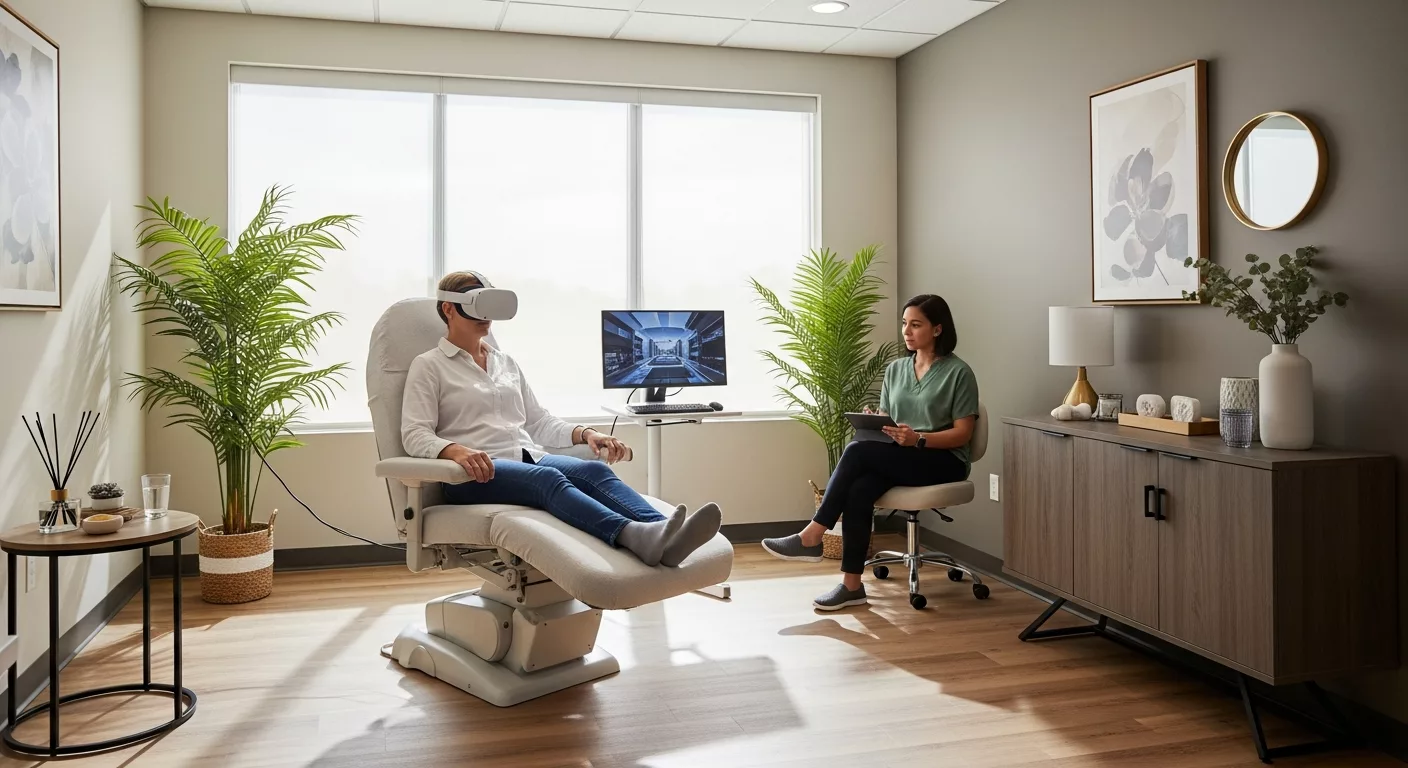
For healthcare professionals and caregivers who’ve witnessed trauma’s grip firsthand, traditional talk therapy sometimes feels insufficient. What if cutting-edge virtual reality technology could accelerate healing by allowing clients to process traumatic memories in a controlled, safe environment—backed by compelling research and available right here in Florida? VR trauma therapy Florida represents a revolutionary approach that’s transforming how we treat PTSD and complex trauma, offering hope for those who haven’t found relief through conventional methods.
Virtual reality trauma therapy combines the proven effectiveness of exposure therapy with immersive technology, creating therapeutic environments where clients can safely confront and process traumatic experiences. This innovative approach is particularly valuable for helping professionals—nurses, physicians, therapists, and first responders—who often carry the weight of others’ trauma while struggling to find effective treatment for their own.
Understanding Virtual Reality Trauma Therapy: The Science Behind Innovation
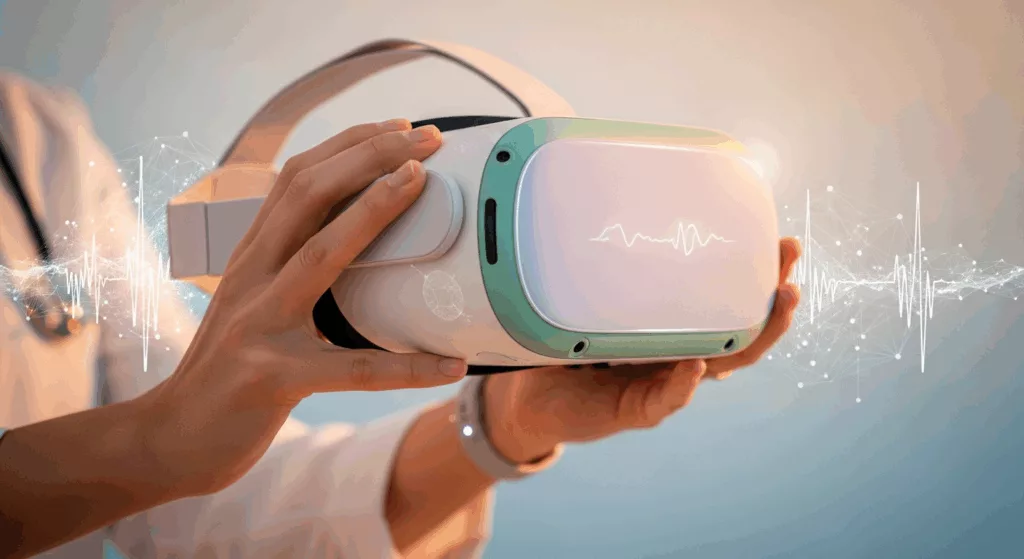
Virtual reality trauma therapy, also known as VR exposure therapy, uses computer-generated environments to help individuals safely confront traumatic memories and situations that trigger their PTSD symptoms. Unlike traditional exposure therapy, which relies on imagination or real-world situations, VR creates controlled, repeatable scenarios that can be precisely calibrated to each client’s needs.
The technology works by engaging multiple senses simultaneously, creating a sense of presence that allows the brain to process traumatic memories more effectively. When wearing a VR headset, clients experience a three-dimensional environment that feels real to their nervous system, triggering the same physiological responses as actual exposure while maintaining complete safety.
Research from the National Center for Biotechnology Information demonstrates that VR therapy can be as effective as traditional exposure therapy for PTSD, with some studies showing even better outcomes. The immersive nature of VR allows therapists to control variables like intensity, duration, and specific triggers, making it an incredibly precise therapeutic tool.
How VR Technology Enhances Trauma Processing
Virtual reality trauma therapy works on several neurological levels. The immersive experience activates the same brain regions involved in real trauma responses, including the amygdala, hippocampus, and prefrontal cortex. This activation allows for more effective memory consolidation and emotional processing.
The controlled nature of VR environments enables gradual exposure, a cornerstone of effective trauma treatment. Clients can start with less intense scenarios and progressively work toward more challenging situations as their tolerance builds. This graduated approach reduces the risk of re-traumatization while maximizing therapeutic benefits.
Additionally, VR therapy provides immediate biometric feedback, allowing therapists to monitor heart rate, skin conductance, and other physiological markers in real-time. This data helps clinicians adjust the intensity of sessions and track progress objectively, something that’s difficult to achieve with traditional therapy methods.
How VR-Enhanced EMDR and Exposure Therapy Transform Treatment Outcomes
The integration of virtual reality with established therapeutic approaches like EMDR (Eye Movement Desensitization and Reprocessing) and exposure therapy has shown remarkable results in clinical settings. Virtual reality PTSD treatment doesn’t replace these proven methods but enhances their effectiveness through immersive technology.
EMDR with VR enhancement allows clients to engage with traumatic memories in a more controlled and less overwhelming way. The virtual environment can be designed to support the bilateral stimulation that makes EMDR effective while providing visual and auditory cues that help activate specific memories for processing.
Traditional exposure therapy often faces limitations when trying to recreate specific trauma scenarios. For healthcare workers who experienced trauma in hospital settings, for example, it’s not practical or safe to conduct exposure therapy in actual medical facilities. VR eliminates these barriers by creating realistic hospital environments, emergency rooms, or other medical settings where trauma occurred.
Enhanced Safety and Control
One of the most significant advantages of VR trauma therapy is the enhanced safety and control it provides both clients and therapists. In virtual environments, dangerous or impossible-to-recreate scenarios can be experienced safely. Military veterans can revisit combat zones, healthcare workers can process traumatic patient encounters, and accident survivors can confront their fears—all without physical risk.
The technology also allows for immediate escape from triggering situations. If a client becomes overwhelmed, the VR headset can be removed instantly, providing immediate relief. This safety net often makes clients more willing to engage with difficult memories, knowing they have complete control over the experience.
Therapists can pause, rewind, or modify scenarios in real-time based on client responses. This level of control is impossible with traditional exposure therapy methods and significantly enhances the therapeutic process.
Who Benefits Most from Virtual Reality Trauma Treatment in Florida
While VR trauma therapy can benefit anyone struggling with PTSD and trauma, certain populations show particularly strong responses to this innovative trauma therapy Florida approach. Healthcare professionals, first responders, military veterans, and accident survivors often find VR therapy especially effective.
Healthcare workers who have experienced traumatic patient deaths, workplace violence, or pandemic-related stress frequently struggle with PTSD symptoms that interfere with their ability to work effectively. Traditional therapy can be challenging for these professionals because they often have limited time for appointments and may resist treatment due to stigma concerns.
VR therapy addresses these barriers by providing intensive, efficient treatment sessions that can accomplish in fewer sessions what might take months with traditional approaches. The technology-based nature of VR can also feel less intimidating to healthcare professionals who are comfortable with medical technology.
Specific Populations That Respond Well to VR Treatment
Healthcare Professionals: Nurses, physicians, and other medical staff who have experienced patient trauma, workplace violence, or pandemic-related stress often find VR therapy particularly effective because it can recreate medical environments safely.
First Responders: Police officers, firefighters, EMTs, and paramedics can process traumatic calls and incidents through carefully designed virtual scenarios that match their specific experiences.
Military Veterans: Combat-related PTSD responds well to VR therapy that can recreate deployment environments and combat situations in a controlled, safe manner.
Motor Vehicle Accident Survivors: VR can safely recreate driving scenarios and accident situations to help individuals overcome driving phobias and trauma responses.
Assault and Violence Survivors: Virtual environments can be created to help survivors process their experiences and reclaim their sense of safety in previously triggering locations.
Evidence-Based Results: Research Supporting VR Trauma Interventions
The research supporting virtual reality trauma therapy is robust and growing rapidly. Multiple randomized controlled trials have demonstrated the effectiveness of VR interventions for PTSD, with many studies showing results comparable to or better than traditional therapy approaches.
A landmark study published in Nature Scientific Reports found that VR exposure therapy resulted in significant reductions in PTSD symptoms, with effects maintained at three-month follow-up assessments. The study particularly noted improvements in avoidance behaviors and hyperarousal symptoms, two of the most challenging aspects of PTSD to treat.
The American Psychological Association guidelines now include virtual reality exposure therapy as an evidence-based treatment option for PTSD, recognizing its effectiveness and safety profile.
Clinical Outcomes and Success Rates
Research consistently shows that VR trauma therapy produces significant symptom improvements in 60-90% of participants, depending on the specific study and population. These success rates are comparable to or better than traditional exposure therapy, with the added benefits of increased engagement and reduced dropout rates.
Key findings from recent research include:
- Significant reductions in PTSD Checklist scores, often exceeding 50% improvement
- Decreased avoidance behaviors and increased willingness to engage in previously feared activities
- Improved sleep quality and reduction in nightmares
- Enhanced emotional regulation and coping skills
- Faster treatment outcomes compared to traditional therapy methods
Long-term follow-up studies indicate that improvements gained through VR trauma therapy are maintained over time, with many participants showing continued improvement even after treatment completion.
Neurobiological Evidence
Brain imaging studies have provided fascinating insights into how VR trauma therapy creates lasting changes in brain function. fMRI studies show that successful VR treatment is associated with decreased activation in the amygdala (the brain’s fear center) and increased activation in the prefrontal cortex (responsible for rational thinking and emotional regulation).
These neurobiological changes mirror those seen in successful traditional therapy but often occur more rapidly with VR interventions. The immersive nature of virtual reality appears to accelerate the brain’s natural healing processes, leading to faster and more durable recovery.
Finding Qualified VR Trauma Specialists in Florida: What to Look For
As VR trauma therapy Florida becomes more widely available, it’s crucial to find qualified practitioners who combine expertise in trauma treatment with proper training in VR technology applications. Not all therapists who offer VR therapy have the specialized training necessary to use this technology effectively and safely.
When seeking Florida trauma specialists who offer VR services, look for clinicians who are certified in both trauma treatment and VR therapy applications. They should have credentials such as Certified Clinical Trauma Professional (CCTP) and specialized training in VR-enhanced therapy techniques.
Essential Qualifications to Seek
Clinical Expertise: Look for licensed mental health professionals (LCSW, LMFT, PhD, PsyD) with specialized trauma training. Certifications in EMDR, Cognitive Processing Therapy, or Prolonged Exposure Therapy indicate solid foundations in evidence-based trauma treatment.
VR-Specific Training: Qualified practitioners should have completed formal training programs in VR therapy applications. This includes understanding the technology, safety protocols, and how to integrate VR with traditional therapeutic approaches.
Technology Infrastructure: Reputable VR therapy providers should have professional-grade VR equipment, not consumer devices. They should also have secure, HIPAA-compliant systems for storing and managing VR session data.
Ongoing Education: The field of VR therapy is rapidly evolving. Look for practitioners who stay current with research and continue their education in both trauma treatment and technology applications.
Red Flags to Avoid
Be cautious of providers who position VR therapy as a quick fix or miracle cure. Effective trauma treatment, even with advanced technology, requires time, skill, and a comprehensive treatment approach. Avoid practitioners who:
- Promise immediate or guaranteed results
- Lack proper licensing or trauma-specific credentials
- Use consumer-grade VR equipment without professional oversight
- Don’t conduct thorough assessments before beginning VR treatment
- Aren’t transparent about their training and experience with VR therapy
At Healing Speak, we understand the importance of combining cutting-edge technology with proven therapeutic expertise. Our telehealth therapy for Florida empaths includes access to innovative treatment approaches while maintaining the highest standards of clinical care.
Integrating VR Therapy with Traditional Approaches: A Comprehensive Treatment Model
The most effective approach to evidence-based trauma treatment often involves integrating VR therapy with traditional therapeutic methods rather than using it as a standalone intervention. This comprehensive model recognizes that trauma affects individuals on multiple levels—emotional, cognitive, physiological, and social—requiring varied approaches for complete healing.
A typical integrated treatment plan might begin with traditional therapy sessions to build rapport, assess trauma history, and develop coping skills. Once clients are stabilized and prepared, VR exposure therapy can be introduced as part of the trauma processing phase. Throughout treatment, other modalities like EMDR, somatic therapy, or group therapy might be incorporated based on individual needs.
This integrated approach is particularly valuable for healthcare professionals and caregivers who often present with complex trauma histories and need comprehensive support to heal fully. The combination of high-tech VR interventions with traditional therapeutic relationship-building creates a powerful treatment environment.
Sequencing VR Therapy Within Comprehensive Care
Phase 1: Stabilization and Preparation
Before introducing VR technology, clients need to develop basic emotional regulation skills and establish trust with their therapist. This phase typically involves traditional talk therapy, psychoeducation about trauma, and skill-building exercises.
Phase 2: VR-Enhanced Processing
Once clients are stabilized, VR exposure therapy can begin. Sessions are carefully planned and monitored, with immediate processing and integration work following each VR experience.
Phase 3: Integration and Relapse Prevention
The final phase focuses on integrating insights gained through VR therapy with real-world functioning. Traditional therapy techniques help clients apply their new learning to daily life and develop long-term coping strategies.
Complementary Modalities That Enhance VR Therapy
Several traditional therapeutic approaches work synergistically with VR trauma therapy:
Somatic Therapy: Since VR creates strong physiological responses, somatic approaches help clients process and integrate these bodily sensations effectively.
Mindfulness-Based Interventions: Meditation and mindfulness practices enhance clients’ ability to stay present during VR sessions and manage anxiety responses.
EMDR Integration: VR scenarios can be specifically designed to support EMDR processing, creating a powerful combination for memory reprocessing.
For healthcare workers dealing with complex trauma, our specialized approaches to dissociation in healthcare workers can be effectively combined with VR interventions to address multiple trauma symptoms simultaneously.
The Future of VR Trauma Therapy in Florida
As virtual reality technology continues to advance, the possibilities for trauma treatment are expanding rapidly. Emerging developments include artificial intelligence-guided therapy sessions, biometric integration for real-time adaptation, and expanded scenario libraries that can address virtually any type of trauma.
Florida is positioning itself as a leader in innovative mental health treatment, with several major medical centers and private practices investing in VR therapy programs. The state’s large population of veterans, first responders, and healthcare workers creates significant demand for effective trauma treatment options.
Insurance coverage for VR therapy is also expanding, making this innovative treatment more accessible to those who need it. As research continues to demonstrate the effectiveness of VR interventions, more insurance providers are recognizing these treatments as medically necessary and cost-effective.
Accessibility and Insurance Considerations
One of the most encouraging developments in VR trauma therapy is increasing insurance coverage. Many major insurers now recognize VR exposure therapy as an evidence-based treatment for PTSD, particularly when provided by qualified mental health professionals.
The cost-effectiveness of VR therapy also supports its adoption. While the initial technology investment is significant, VR therapy often requires fewer sessions than traditional treatment approaches, ultimately reducing overall treatment costs while improving outcomes.
Telehealth integration is another promising development. While VR therapy currently requires in-person sessions for optimal safety and effectiveness, researchers are developing home-based VR systems that could be supervised remotely by qualified therapists.
Making the Decision: Is VR Trauma Therapy Right for You?
For healthcare professionals and caregivers considering VR trauma therapy, several factors can help determine if this approach might be beneficial. VR therapy tends to be particularly effective for individuals who have clear trauma triggers related to specific environments or situations, those who have struggled with traditional exposure therapy, and people who are comfortable with technology.
The immersive nature of VR can be both a strength and a potential challenge. Some individuals find the technology overwhelming or disorienting, while others appreciate the controlled nature of virtual environments. A thorough assessment by a qualified trauma specialist can help determine if VR therapy is appropriate for your specific situation.
It’s important to remember that VR therapy is just one tool in the trauma treatment toolkit. The most important factor in successful trauma recovery is working with a qualified therapist who understands complex trauma and can develop a comprehensive treatment plan tailored to your needs.
Questions to Ask Potential VR Therapy Providers
Before beginning VR trauma therapy, consider asking potential providers:
- What specific training and certifications do you have in VR therapy?
- How do you integrate VR with traditional therapeutic approaches?
- What safety protocols do you have in place for VR sessions?
- Can you describe your experience treating individuals with my specific type of trauma?
- What equipment do you use, and how do you ensure client privacy and data security?
- How do you measure progress and treatment outcomes?
- What happens if I become overwhelmed during a VR session?
These questions can help you assess whether a provider has the expertise and approach that align with your needs and comfort level.
Getting Started with VR Trauma Therapy in Florida
If you’re ready to explore VR trauma therapy as part of your healing journey, the first step is connecting with qualified providers who offer comprehensive trauma treatment. Look for practitioners who combine technological innovation with deep clinical expertise and a commitment to evidence-based care.
At Healing Speak, we specialize in helping healthcare professionals, caregivers, and empaths who have tried traditional therapy without finding complete relief. Our approach combines cutting-edge treatments with proven therapeutic methods, all delivered through convenient telehealth services throughout Florida.
We understand that trauma affects helpers differently, and we’re committed to providing specialized care that addresses your unique needs. Our narcissistic abuse recovery programs and DBT skills training for healthcare workers complement innovative treatments like VR therapy to provide comprehensive healing.
Virtual reality trauma therapy represents a significant advancement in PTSD treatment, offering hope for those who haven’t found relief through traditional approaches. With proper guidance from qualified professionals and integration with comprehensive care plans, VR therapy can be a powerful tool for healing trauma and reclaiming your life.
For more information about our evidence-based treatment approaches and to schedule a consultation, contact our team today. Remember, healing is possible, and innovative treatments like VR therapy are expanding the possibilities for recovery from even the most challenging trauma experiences.
Are you ready to explore how virtual reality trauma therapy might support your healing journey? What questions do you have about this innovative approach to trauma treatment?